You pull your 7-iron out of the bag and the grooves are packed with dried mud from three rounds ago. The driver face has a film of something unidentifiable. The grips feel like they’ve been dipped in chip fat. We’ve all been there — and dirty clubs aren’t just an aesthetic problem. Clogged grooves reduce spin and control, grimy faces affect ball contact, and worn grips quietly destroy your consistency. The good news: cleaning golf clubs takes 15 minutes, costs almost nothing, and the difference in performance is immediate.
In This Article
- Why Clean Clubs Actually Play Better
- What You’ll Need
- How to Clean Irons and Wedges
- How to Clean Woods and Hybrids
- How to Clean Your Putter
- How to Clean and Restore Golf Grips
- Cleaning Your Golf Bag and Accessories
- On-Course Cleaning During a Round
- When to Regrip Your Clubs
- Common Mistakes That Damage Clubs
- Frequently Asked Questions
Why Clean Clubs Actually Play Better
This isn’t obsessive fussiness — there’s genuine performance science behind clean equipment.
Groove Performance
The grooves on your irons and wedges create friction channels that grip the ball at impact, generating backspin. When those grooves fill with dirt, grass, and sand, the friction reduces and the ball launches with less spin. According to The R&A, groove specifications are tightly regulated precisely because they have such a significant effect on ball behaviour. A clean wedge with fresh grooves can generate 2,000-3,000 rpm more spin than a dirty one — that’s the difference between a ball that checks on the green and one that rolls through the back.
Face Contact
On woods and hybrids, the face doesn’t have deep grooves but it does have a texture pattern designed to control launch and spin. Dirt, sand, and impact residue degrade that texture. After a few rounds without cleaning, you’ll notice slightly higher launch angles and less consistent distances — the ball is sliding up the face rather than compressing cleanly.
Grip Consistency
Grips accumulate sweat, sunscreen, hand oils, and course dirt. As the surface becomes slick, you unconsciously grip harder, which introduces tension into your swing. Clean grips feel secure in your hands at normal pressure, promoting a more relaxed, repeatable motion.
What You’ll Need
Nothing expensive. You probably have most of this at home already:
- Bucket of warm water — not hot, just warm. Hot water can loosen ferrules (the plastic collar where the shaft meets the head)
- Washing-up liquid — a few drops of standard Fairy or similar. Nothing abrasive
- Old toothbrush or groove brush — for getting into iron grooves. A dedicated groove cleaning tool (about £3-5 from Amazon or any pro shop) works better but isn’t essential
- Soft cloth or microfibre towel — for drying and polishing
- Nylon brush — for woods and hybrid crowns. Never wire brushes on these surfaces
- Groove sharpener (optional) — for restoring worn grooves on older irons. About £8-12 from American Golf or Amazon UK
What NOT to Use
- Wire brushes on woods/hybrids — they’ll scratch the paint and finish
- Bleach or harsh chemicals — these can corrode chrome plating and damage finishes
- Pressure washers — too much force can force water into shaft joints and damage ferrules
- Dishwashers — yes, people have tried this. Don’t. The heat warps ferrules and damages grips

How to Clean Irons and Wedges
Irons and wedges are the most important clubs to clean regularly because groove performance directly affects your scoring.
Step-by-Step Process
- Fill a bucket with warm water and add a few drops of washing-up liquid
- Submerge the club heads — dip only the heads, keeping the ferrules above the waterline. Let them soak for 5-10 minutes to loosen dried-on dirt
- Scrub the grooves with a groove brush or old toothbrush. Work along each groove individually rather than across them. You’ll see the dirt coming out — it’s oddly satisfying
- Clean the back of the head — cavity backs collect mud in the recesses. Get in there with the brush
- Rinse under running water to remove soap residue
- Dry immediately with a soft cloth. Don’t leave irons to air dry — carbon steel and even stainless can develop surface spots
Dealing with Rust
If you spot rust on forged irons or wedges (cast irons rarely rust), address it quickly:
- Light surface rust — fine steel wool (0000 grade) with a drop of WD-40. Rub gently along the grain of the metal
- Stubborn rust — soak in white vinegar for 30 minutes, then scrub with steel wool. Rinse and dry thoroughly
- Prevention — keep a headcover on wedges in wet conditions, dry clubs promptly after wet rounds, and store in a dry environment
Wedge Groove Maintenance
Wedges lose groove sharpness faster than long irons because they see more bunker shots and lob shots. After about 75-100 rounds, you’ll notice a drop in spin performance. We’ve tracked spin numbers on a launch monitor over a season and the decline is measurable — roughly 500 rpm loss from fresh grooves to worn ones. A groove sharpening tool can restore some performance, but eventually the wedge needs replacing.
How to Clean Woods and Hybrids
Woods and hybrids need a gentler approach than irons. The painted crowns, composite materials, and glued-in faces are more susceptible to damage.
Step-by-Step Process
- Dampen a microfibre cloth with warm soapy water — don’t submerge woods
- Wipe the face gently, removing impact marks and dirt from the grooves. A soft nylon brush helps with the shallow grooves
- Clean the crown and sole — these accumulate scuff marks from bag chatter. A damp cloth removes surface dirt; deeper scratches are cosmetic and won’t affect performance
- Dry thoroughly — pay attention to the hosel area where water can seep into the shaft bond
- Polish if desired — a dedicated club polish (about £5-8 from American Golf) restores the gloss on metalwoods. It’s purely cosmetic but makes the club look sharp in your bag
Adjustable Drivers
If your driver has an adjustable hosel (most modern drivers do), clean around the screw port carefully. Dirt in the mechanism can prevent proper tightening, and a loose head is dangerous. Once a month, unscrew the head, clean the threads with a dry brush, and retighten to manufacturer specifications using the included torque wrench.
How to Clean Your Putter
Your putter deserves as much attention as your wedges — it’s the club you use most, after all.
Face Cleaning
Putter faces have milled or insert patterns designed for consistent roll. Dirt in these patterns affects ball speed off the face, leading to distance control inconsistency.
- Milled putters — warm soapy water and a soft brush. Dry immediately to prevent oxidation on raw steel finishes
- Insert putters (Odyssey White Hot, etc.) — wipe with a damp cloth only. Avoid soaking the insert material
- Grooved putters — treat like irons. Brush along each groove with a toothbrush
Sight Line and Alignment Marks
Clean the alignment aids on your putter’s crown — paint-filled lines and dots accumulate grime that makes them harder to see against the grass. A cotton bud dipped in soapy water works well for getting into the detail.
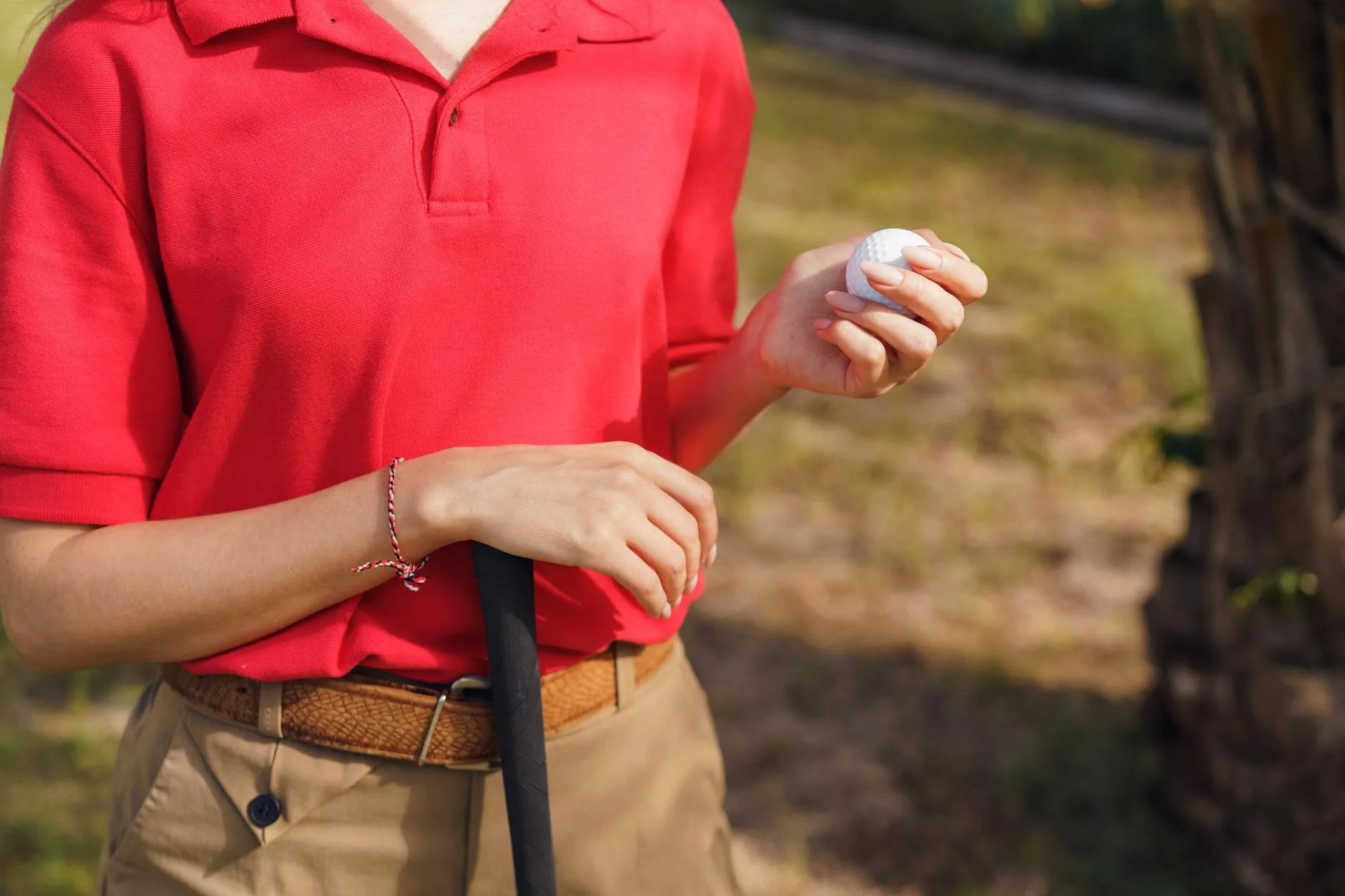
How to Clean and Restore Golf Grips
Clean grips are the most underrated performance upgrade in golf. A grip that’s been cleaned monthly feels noticeably tackier and more secure than one left to accumulate a season’s worth of hand oils.
Rubber and Synthetic Grips
- Wet the grip under warm running water
- Apply a small amount of washing-up liquid directly to the grip
- Scrub with a brush — a nail brush or stiff-bristled brush works well. Work the entire grip, including the underside and butt end
- Rinse thoroughly under running water until all soap is gone
- Dry with a towel and leave to air dry fully before playing
The difference after cleaning is remarkable. Grips that felt slippery and smooth suddenly feel tacky and fresh. We clean ours every month and they last noticeably longer before needing replacement.
Corded Grips
Corded grips (like Golf Pride MCC) need the same process but with extra scrubbing attention on the corded sections. The cord threads trap dirt more aggressively than smooth rubber. Use a stiffer brush and work across the cord pattern.
Leather and Wrap-Style Grips
Wipe with a barely damp cloth — don’t soak leather grips. Apply a leather conditioner annually if you want to extend their life, though leather grips are increasingly rare on modern clubs.
Cleaning Your Golf Bag and Accessories
The Bag Itself
Turn the bag upside down and shake out the debris that’s accumulated at the bottom of every pocket. You’ll find tee shrapnel, old scorecards, snack wrappers, and probably a few items you thought you’d lost. Wipe the exterior with a damp cloth and let it dry before repacking.
For fabric bags, a lint roller removes grass and pollen that cling to the material. Stand bags with retractable legs benefit from cleaning the leg mechanisms — dirt in the hinges causes them to stick.
Accessories Worth Cleaning
- Rangefinder lens — microfibre cloth only. Never use tissue or your shirt — they scratch optical coatings
- Golf gloves — leather gloves can be hand-washed in cold water and reshaped while damp. Synthetic gloves go in the washing machine on a cold gentle cycle
- Towel — wash your golf towel regularly. A dirty towel just redistributes grime onto your clubs. Chuck it in with your regular laundry
- Shoes — knock off dried mud, wipe with a damp cloth, and remove insoles to air after wet rounds. Stuff with newspaper to absorb moisture and maintain shape
On-Course Cleaning During a Round
The best time to clean a club is immediately after hitting a shot, while the dirt is still wet and soft.
Essential On-Course Kit
- Wet towel — drape a damp towel over your bag or trolley. Wipe club faces after every iron shot
- Groove brush — keep a small one clipped to your bag. Brush grooves after every pitch, chip, and bunker shot
- Tee peg — in a pinch, run a tee through individual grooves to scrape out compacted mud
The Habit That Makes the Difference
Professional caddies clean the club face before every single shot. You don’t need to be that obsessive, but cleaning after iron shots and before any short game shot around the greens is a habit worth building. Fifteen seconds of brushing before a pitch shot gives you the full spin performance your wedge was designed to deliver.
If you’re still choosing clubs for your bag, getting the right fit matters more than any amount of cleaning. But once you’ve got the right equipment, keeping it clean ensures you’re getting the performance you paid for. And if your irons need an upgrade, clean your current set properly first — you might be surprised how much performance is hiding under the grime.
When to Regrip Your Clubs
Cleaning extends grip life, but eventually every grip needs replacing.
Signs It’s Time
- Shiny, smooth patches — rubber has worn down beyond the textured surface
- Hardness — old rubber becomes hard and loses its tackiness permanently
- Visible cracks — the rubber is perishing, usually from UV exposure and age
- Twisting — the grip rotates on the shaft during your swing. This is either a worn grip or failed adhesive
Regrip Timing
With regular cleaning, expect grips to last 40-60 rounds or about 12-18 months of regular play. Without cleaning, that drops to 25-35 rounds.
DIY vs Professional Regripping
Regripping is a simple DIY job with the right tools (grip tape, solvent, a vice clamp). The materials cost about £3-5 per grip. Professional regripping at a pro shop or American Golf typically costs £5-8 per grip including the grip itself. Our Best Golf Courses in the UK 2026 guide is useful alongside this.
For most golfers, paying a pro shop to do it is the sensible choice unless you enjoy the process. They’ll have it done in an hour and the results are consistent.
Common Mistakes That Damage Clubs
Using Abrasive Materials on Clubfaces
Wire brushes and Brillo pads leave scratches that alter how the ball interacts with the face. Stick to nylon brushes and soft cloths. If you wouldn’t use it on a non-stick pan, don’t use it on a club.
Soaking Clubs for Too Long
Five to ten minutes is plenty for irons. Leaving clubs submerged overnight can force water into the hosel and shaft joint, weakening the epoxy bond. It also risks oxidation on carbon steel and raw finish clubs.
Neglecting the Shaft
Graphite shafts need a wipe down with a damp cloth. Avoid abrasive cleaners — they can damage the clear coat that protects the carbon fibres. Steel shafts are more forgiving but still benefit from a wipe to prevent water spots.
Storing Clubs Wet
After a wet round, remove all headcovers and leave them off until the clubs are completely dry. Storing damp clubs with covers on creates a humidity trap that promotes rust on heads and corrosion on shafts. Stand the bag with clubs exposed in a warm room overnight.
Over-Polishing Chrome Clubs
Chrome polishes contain mild abrasives. Polishing too frequently or too aggressively wears through the chrome plating over time, especially on leading edges and soles that already see wear from turf contact. Polish once or twice a season — not after every round.
Frequently Asked Questions
How often should I clean my golf clubs? Ideally, wipe the face after every shot during a round and do a thorough clean after every round or two. At minimum, give them a proper clean monthly during the season. Grips should be cleaned at least once a month for best performance.
Can I put golf clubs in the dishwasher? No. The heat will damage ferrules (the plastic collar joining head and shaft), melt or deform grips, and potentially loosen the epoxy bond holding the head to the shaft. Warm water in a bucket is all you need.
Will cleaning restore my grooves to like-new condition? Cleaning removes dirt and restores full contact between the groove edges and the ball, which recovers lost spin. However, if the groove edges are physically worn down from use, cleaning won’t restore them — you’ll need a groove sharpening tool or eventually new wedges.
What’s the best way to clean golf clubs on the course? Carry a damp towel draped over your bag and a small groove brush. Wipe the face after iron shots and brush grooves before short game shots. Most courses also have ball washers and towel stations near tee boxes that work fine for a quick wipe.
How do I remove deep scratches from my driver? Minor scratches on the crown are cosmetic and don’t affect performance. For deeper scratches, a touch-up paint pen matching your club’s colour can fill them. Don’t use automotive scratch removers — they can damage the club’s clear coat. Accept that bag chatter marks are part of a well-used set.