Golf club fitting is worth it in the UK if you play often enough to notice bad strikes, inconsistent distance gaps, or clubs that feel like you are fighting them. It is not worth it if your swing changes every month and you are mainly buying confidence rather than solving a clear equipment problem.
In This Article
- The Short Answer: Golf Club Fitting Is Worth It in the UK for Regular Golfers
- What Custom Fitting Actually Changes
- How Much Golf Club Fitting Costs in the UK
- Who Gets the Biggest Benefit from a Fitting
- When Custom Fitting Is Not Worth It Yet
- What to Ask Before You Book
- Buying Fitted Clubs: New, Used or Adjusted
- My Verdict: Spend the Money in the Right Order
- Frequently Asked Questions
The Short Answer: Golf Club Fitting Is Worth It in the UK for Regular Golfers
If you play once or twice a month, custom fitting is usually worth considering before you spend serious money on new clubs. The fitting fee is small compared with the cost of a modern driver, iron set or full bag, and it can stop you buying clubs that are too long, too upright, too stiff, too low-launching or just wrong for your delivery.
For a UK golfer, the value question is not “will a fitting make me a different player?” It will not. The better question is: will it reduce expensive guesswork?
In many cases, yes. A fitting can help you:
- Choose the right shaft flex and weight instead of guessing regular, stiff or senior from ego.
- Set sensible lie angle and length so impact marks and start lines are easier to control.
- Find better distance gaps between driver, fairway wood, hybrid, irons and wedges.
- Avoid overpaying for clubs that do not suit your launch, spin or strike pattern.
My view: if you are spending £400+ on a driver or £600+ on irons, get fitted. If you are buying a £149 second-hand half set to see if golf sticks, save the fitting fee for lessons and range balls first.
That scope matters because GolfSetupUK already has a separate guide on how to get fitted for golf clubs. This article is not another blow-by-blow fitting-session explainer. It is about the value decision.
The honest ceiling
A fitting cannot fix a bad grip, poor setup or wild swing path. It can only match equipment to the swing you bring on the day. If you slice every driver because the face is open and the path is across the ball, a draw-biased head and softer shaft might reduce the damage, but it will not replace coaching.
That is why a good fitter asks about your usual miss, strike location, handicap, ball flight and goals before handing you shiny clubheads. A poor fitting feels like a sales demo with numbers attached.
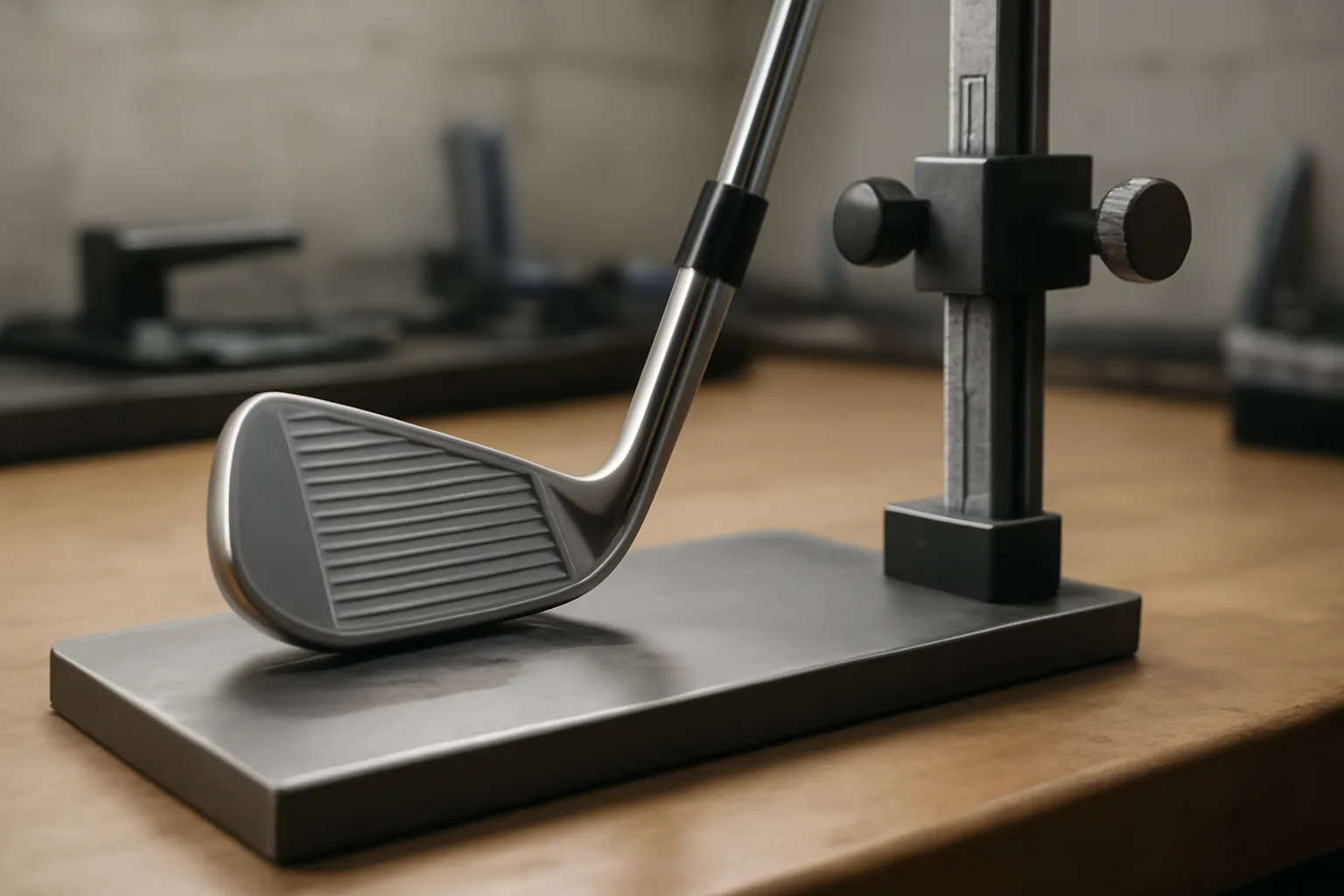
What Custom Fitting Actually Changes
Custom fitting sounds grand, but most useful fittings come down to a few practical variables. You are not asking a fitter to build magic clubs. You are asking them to remove bad matches.
Length and lie angle
Length affects posture, strike location and control. Lie angle affects where the face points at impact, especially with irons and wedges. If your irons are much too upright, shots can start left. If they are too flat, they can leak right. That is a simplification, but it is a useful one.
Tall golfers, shorter golfers, juniors moving into adult clubs, and players with unusual wrist-to-floor measurements can get real value here. So can anyone who has always used standard clubs without checking if “standard” is actually standard for them.
Shaft weight and flex
Flex matters, but shaft weight often matters more than people expect. A very light shaft can help some slower-swing players launch the ball, but it can make timing worse for others. A heavy shaft can feel stable, but it can also cost speed if you have to work too hard.
If you want the background before a fitting, read our golf shaft flex guide and steel vs graphite shaft comparison. Go in with the basics, then let ball flight and strike data beat assumptions.
Head model, loft and gapping
For drivers and fairway woods, loft and head design can change launch, spin and forgiveness. For irons, the question is often less glamorous: can you launch the 5-iron high enough, or should that slot become a hybrid?
This is where a fitting can save money. Plenty of golfers buy a full 5-PW iron set, then never hit the 5-iron well. A fitter may steer you towards 6-PW plus a hybrid, which can be a better use of the same budget.
PING’s fitting finder is a good example of how major brands treat fitting as part of the buying process rather than an elite-player extra. You still need judgement, but the principle is sound: specs should follow your delivery, not the other way round.
How Much Golf Club Fitting Costs in the UK
UK golf club fitting ranges from free retailer sessions to premium full-bag fittings that cost more than a decent wedge. The right option depends on your budget and how much you are about to spend.
Typical fitting fees
As of June 2026, these are realistic UK ranges:
- Retailer fitting with purchase: often free or refundable when you buy clubs.
- Driver or fairway wood fitting: about £40-£150 depending on venue and depth.
- Iron fitting: about £40-£205.
- Wedge or putter fitting: about £40-£125.
- Full bag fitting: roughly £150-£345 at more specialist venues.
For example, Affordable Golf’s custom fit bookings list a £40 driver/wood fitting fee that is refundable with a 2026 product purchase. At the premium end, Precision Golf’s fitting pricing lists £150 for a driver fitting, £205 for irons, and £345 for a full bag fitting.
Those prices are not the same service. A quick retailer fitting can be fine if you already know you want a specific driver or iron family. A premium fitting is better when you need brand-neutral testing, tighter build specs, or a second opinion before a major spend.
Club costs after the fitting
The fitting fee is rarely the big number. The clubs are.
- New driver: about £299-£579 from American Golf, Clubhouse Golf or pro shops, with current premium models often around £499-£579.
- Game-improvement iron set: about £499-£999 depending on brand, shaft and set makeup.
- Premium forged or players’ irons: often £899-£1,299 for a 6- or 7-club set.
- Hybrid: about £149-£279.
- Wedge: about £99-£179.
- Putter: about £129-£399, with premium milled models above that.
Custom shafts can push the total higher. That is not always bad, but it should be justified by clear gains. If the fitter says an upcharge shaft adds £180 to a driver, ask what it improves over the no-upcharge option. If the answer is vague, pause.
The payback test
Use a simple payback test. If a £40 fitting stops you buying the wrong £529 driver, it has paid for itself. If a £345 full-bag fitting leads to a £2,800 build when you play six rounds a year and still need lessons, the maths is weaker.
For most club golfers, the sweet spot is a targeted fitting before the next expensive purchase, not a full-bag rebuild every season.
Who Gets the Biggest Benefit from a Fitting
Custom fitting has the most value when your equipment problem is specific enough to test.
Mid-handicappers buying proper clubs
If you shoot somewhere between the high 80s and low 100s and are moving from old hand-me-downs into a real set, fitting is usually a smart spend. You do not need tour-level precision. You need clubs that suit your speed, height, strike and common miss.
Our guide to choosing the right golf clubs covers the broad buying decision. A fitting turns that broad decision into actual specs: shaft, lie, loft, head model and set makeup.
Golfers who are physically outside standard assumptions
Very tall golfers, shorter golfers, players with long arms, juniors, seniors, and golfers returning after injury can get strong value from basic fitting. Standard length, standard lie and standard shaft weight may be miles off.
This is not about being a better golfer. It is about comfort and repeatability. If you are bent over too much, reaching for the ball, or fighting clubs that feel like sledgehammers, a fitting can make golf less awkward.
Players with one expensive problem club
A driver fitting is often worth it when your current driver launches too low, spins too much, balloons, hooks, or feels impossible to square. Modern drivers are expensive enough that guessing is a poor strategy.
The same applies to hybrids. If you cannot hit long irons, a fitted hybrid may be better than buying another iron you avoid on the course. Our best hybrid golf clubs guide is useful once you know the type of hybrid you need.
Golfers with messy distance gaps
If your 6-iron goes 150 yards, your 7-iron goes 146, and your hybrid jumps to 185, your scoring problem may be gapping rather than swing quality. A fitting or gapping session can tidy the top and bottom of the bag.
This is especially useful with modern strong-lofted irons. A set sold as forgiving can still leave you with awkward gaps at the wedge end.
When Custom Fitting Is Not Worth It Yet
Fitting is useful, but it is not the first answer for every golfer.
You are brand new
If you have played three rounds and still miss the ball sometimes, do not spend £1,200 on fitted irons. Buy or borrow a sensible beginner setup, take lessons, and learn what your normal strike looks like.
A beginner may be better served by our best golf clubs for beginners guide, a £299-£499 package set, and a few lessons at £30-£60 each. Once your swing has a pattern, fitting becomes more useful.
You are in the middle of lessons
If you are actively changing your grip, posture, path or delivery, ask your coach before booking a fitting. A fitting based on last month’s swing can become stale quickly.
That does not mean you should never be fitted while taking lessons. It means the coach and fitter should not be pulling in opposite directions. If the coach says your current clubs are blocking progress, that is a different conversation.
You only want a new-club buzz
We have all been there. The old driver misbehaves, the new one looks lovely, and suddenly the answer is a fitting bay with a launch monitor.
That can be fun. It is not always good buying. If your current driver is three years old, fits reasonably well and your strike pattern is all over the face, spend £50 on a lesson or £12 on impact tape before blaming the club.
You are buying used and cannot adjust much
Used clubs can be excellent value, but the fitting route is different. You may not be able to order a used set 1 degree upright with a specific shaft and grip. You can still use fitting data to filter used listings, but do not pay for ultra-specific specs if your budget only allows whatever appears on Golfbidder this week.
Our second-hand golf club buying guide pairs well with a basic static or dynamic fitting. Know your rough length, lie and shaft needs, then shop used with fewer mistakes.
What to Ask Before You Book
A fitting is only as good as the fitter, the options and the honesty of the recommendation. Ask a few questions before you hand over the fee.
Questions that matter
- Is the fitting fee refundable against purchase? This changes the real cost.
- Which brands and shafts can I test? A one-brand fitting is fine if you want that brand, less useful if you are undecided.
- Will I receive my specs afterwards? You want loft, lie, length, shaft, grip and set makeup in writing.
- Are upcharge shafts clearly priced? No surprises after you fall in love with the best-performing option.
- Do you check my current clubs first? A good fitter should benchmark what you already use.
- Can I hit outdoors or see real ball flight? Indoor is fine, but outdoor confirmation helps some players.
If a fitter will not give you your specs, walk away. You are paying for a recommendation, not just permission to buy from that shop.
What to bring
Bring your current clubs, your usual golf shoes, the ball you normally play if possible, and a realistic view of your game. Do not try to swing faster than normal in the bay. Fittings go wrong when golfers perform for the monitor.
If you normally play a soft two-piece ball and the fitting uses premium balls, note that. Better data is good, but it should still translate to your course.
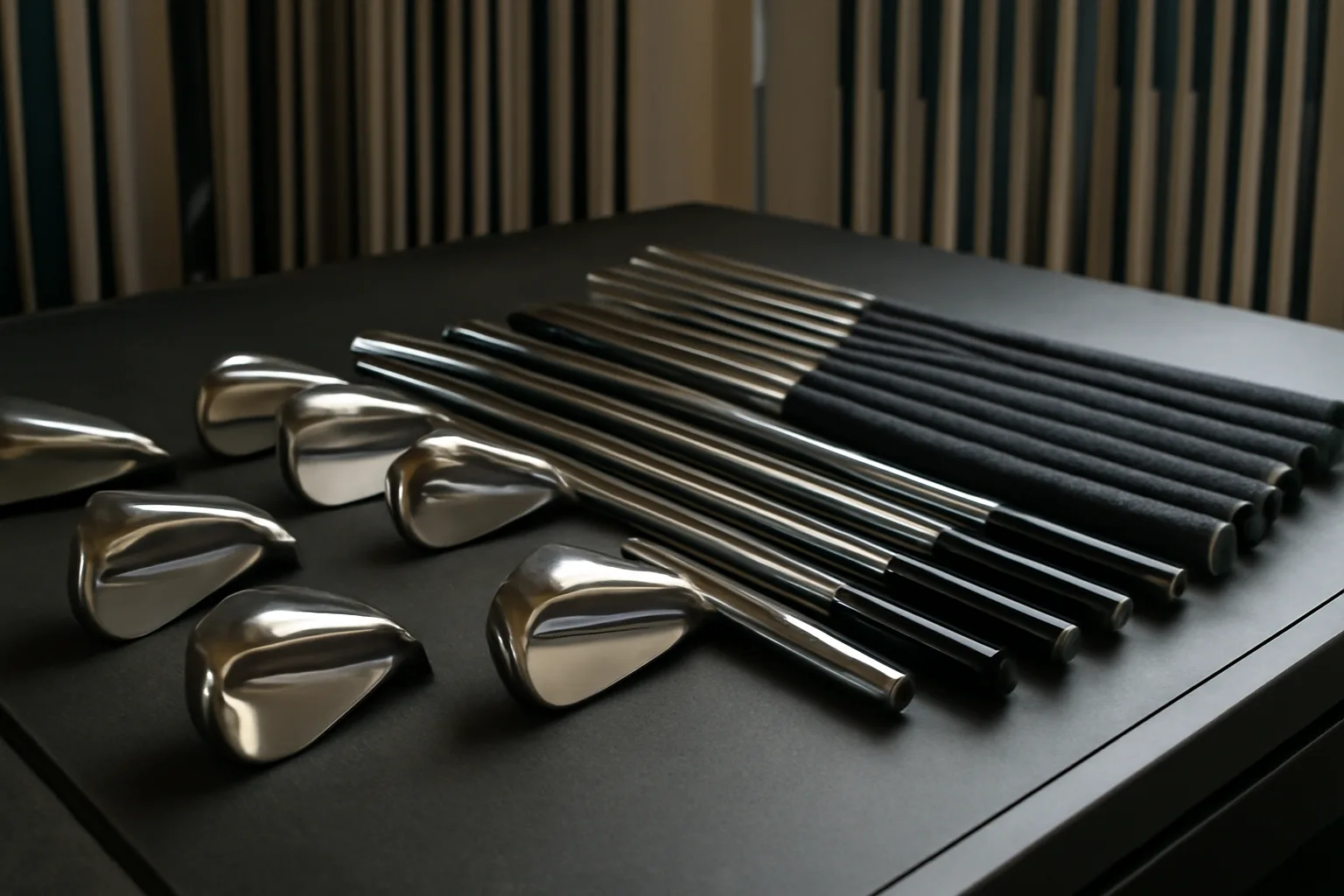
Buying Fitted Clubs: New, Used or Adjusted
You do not always need a full new set after a fitting.
New custom order
This is the cleanest route. You get the recommended head, shaft, length, lie, loft and grip built to order. It also costs the most.
For a golfer buying irons, a sensible fitted set might be £699-£999. Add premium graphite shafts or specialist grips and the number can climb. That is fine if the improvement is real, but the build should match your budget before the fitting starts.
Adjust your current clubs
Sometimes the best value is adjusting what you own. Lie and loft checks often cost around £3-£8 per club at pro shops or repairers. Regripping can be about £6-£15 per grip plus fitting depending on grip choice.
If your irons are decent but the grips are slick and the lie angles are wrong, spending £80-£150 on adjustments may beat replacing the set. Our guide to regripping golf clubs at home can help if the grip job is the main issue.
Buy used to your specs
This is the budget route. Get fitted, keep the specs, then look for used clubs close to those numbers. It works best for common specs: standard length, regular or stiff shaft, common lie angle.
It works less well if you need unusual length, rare shafts or major lie changes. Bending cast irons can be limited, and not every used set is worth modifying.
Mix the bag
You may not need everything at once. A fitted driver and one hybrid might solve more than replacing every iron. Or a wedge fitting might tidy scoring clubs while your long-game clubs stay for another season.
This is where custom fitting is at its best: it helps you spend in the right place first.
My Verdict: Spend the Money in the Right Order
Custom fitting is worth it when it sits in the right order: lessons and basic contact first, then fitting before expensive club purchases, then careful buying.
For most UK golfers, I would use this order:
- Brand-new golfer: buy a sensible beginner set or used clubs, take lessons, and delay detailed fitting.
- Improving beginner: get a basic lie/length/shaft check before replacing irons.
- Regular mid-handicapper: get fitted before any driver, iron set or hybrid purchase over £300.
- Low-handicap or equipment-aware player: use targeted fittings and gapping sessions rather than constant full-bag rebuilds.
If I were spending my own money, I would happily pay £40-£100 for a targeted fitting before buying a driver or irons. I would only pay £250-£345 for a premium full-bag fitting if I had a stable swing, a clear budget, and a genuine plan to buy or adjust several clubs.
The worst option is the middle ground: no fitting, but still spending £1,000 because a club looked good online. That is where expensive mistakes happen.
Frequently Asked Questions
Is golf club fitting worth it for high handicappers? Yes, if the high handicapper has a repeatable miss or is buying expensive clubs. If they are brand new and still building basic contact, lessons and a sensible starter set should come first.
How much does golf club fitting cost in the UK? Basic retailer fittings can be free or refundable with purchase, while targeted fittings are often £40-£150. Premium full-bag fittings can be around £250-£345.
Should beginners get fitted for golf clubs? Complete beginners usually do not need a detailed fitting. A basic length, lie and shaft check can help, but detailed fitting becomes more useful once the swing has a pattern.
Do fitted golf clubs make a big difference? They can make a clear difference if your current clubs are a poor match. Expect better fit, launch, strike and confidence rather than an instant handicap drop.
Can I use fitting specs to buy second-hand clubs? Yes, especially if your specs are close to standard. It is harder if you need unusual shafts, extra length or lie angles that cannot easily be adjusted.
Is a driver fitting worth it? A driver fitting is worth it before spending £300-£579 on a new driver, especially if launch, spin, slice or strike location are causing problems.