You’re watching the Open Championship on TV, or maybe a mate just mentioned they’ve started playing, and something clicks — you fancy giving golf a go. Then you look at club prices, course fees, dress codes, and a rulebook thicker than your arm, and the whole thing feels like it’s designed to keep new people out. It doesn’t have to be that way. Getting into golf in the UK is more accessible and affordable than you’d think, and this roadmap covers every step from first swing to confident course player.
In This Article
- Why Golf Is Worth Picking Up (Even If You’ve Never Held a Club)
- Start at the Driving Range, Not the Course
- Getting Your First Golf Lessons
- What Equipment You Actually Need to Start
- Understanding Golf Course Types in the UK
- Your First Round: What to Expect
- The Handicap System Explained
- Golf Fitness and Injury Prevention
- How Much Does Golf Cost in the UK?
- Joining a Club vs Pay-and-Play
- Building Your Game: The First Six Months
- Common Beginner Mistakes and How to Avoid Them
- Frequently Asked Questions
Why Golf Is Worth Picking Up (Even If You’ve Never Held a Club)
Golf has a reputation as a sport for retired accountants, but that image is years out of date. The average age of new golfers in the UK has dropped markedly since 2020, and clubs are falling over themselves to attract beginners. There’s a reason it hooks people: four hours outdoors in beautiful countryside, genuine physical exercise (you’ll walk 8-10km per round), a social element that beats the gym for meeting people, and a skill curve that keeps you coming back.
The Mental Health Angle
I started playing because a colleague dragged me along, but I stayed because of what it does for your head. Four hours where your phone stays in the bag and your only problem is whether to hit a 7-iron or an 8 — it’s the closest thing to meditation some of us will ever get. The R&A’s Golf and Health Project has published research linking regular golf to improved cardiovascular health, reduced anxiety, and better sleep. Worth knowing if you need ammunition to justify the time commitment to a sceptical partner.
It’s a Lifetime Sport
Unlike football or rugby, golf doesn’t punish you for ageing. The handicap system means an 80-year-old can compete meaningfully against a 25-year-old. That’s rare in sport. If you pick it up now, you’re investing in something you can do for decades.
Start at the Driving Range, Not the Course
The biggest mistake new golfers make is heading straight to a course before they can reliably make contact with the ball. You’ll hold up play, embarrass yourself, and probably not enjoy it. A driving range is where everyone should start — no pressure, no etiquette concerns, just hitting balls at your own pace.
What to Do at the Range
- Buy a bucket of balls (usually £4-8 for 50-100 balls depending on the range)
- Start with a 7-iron — it’s the most forgiving club for beginners and the one you’ll learn the basics on
- Focus on making contact with the ball rather than distance. A clean hit that goes 80 metres is better than a wild swing that dribbles 20 metres
- Spend 20-30 minutes per session. More than that and fatigue will ruin your technique
- Go at least 3-4 times before booking your first lesson — you’ll get more from instruction once you’ve developed basic coordination
Finding a Range Near You
Most UK towns have a driving range within 20 minutes. Check Google Maps for “driving range near me” — many are standalone facilities that don’t require membership. Prices vary but expect to pay £4-10 per session for balls. Some ranges like Topgolf (various UK locations) have a more entertainment-focused setup with targets and scoring, which can make those early sessions more fun.
Getting Your First Golf Lessons
A few lessons early on will save you months of frustration. Self-teaching through YouTube is tempting, but golf swings are complex biomechanical movements — you can’t see your own faults, and bad habits formed early are difficult to unlearn.
PGA Professional Lessons
Look for a PGA-qualified professional at your local course or driving range. The Professional Golfers’ Association maintains a directory of qualified pros across the UK.
- Individual lessons: £30-60 per half hour, depending on the pro and location. London and the South East skew higher
- Group lessons: £15-25 per session, typically 4-6 people. Less individual attention but much cheaper, and the social element helps
- Beginner packages: Many pros offer “Get Into Golf” packages — 5-6 group sessions for £80-120, often including range balls
What to Expect in a First Lesson
Your pro will cover grip, stance, posture, and a basic swing with a mid-iron. Don’t expect to be hitting 200-yard drives — that’s months away. A good first lesson gets you making consistent contact with the ball and understanding the basic movement pattern. Most beginners leave their first lesson buzzing because hitting a golf ball cleanly for the first time is properly satisfying.
How Many Lessons Do You Need?
For most beginners, 5-6 lessons over 2-3 months provides a solid foundation. After that, a top-up lesson every month or two helps iron out problems as they develop. Don’t do 10 lessons back-to-back — you need time between sessions to practise what you’ve learned.
What Equipment You Actually Need to Start
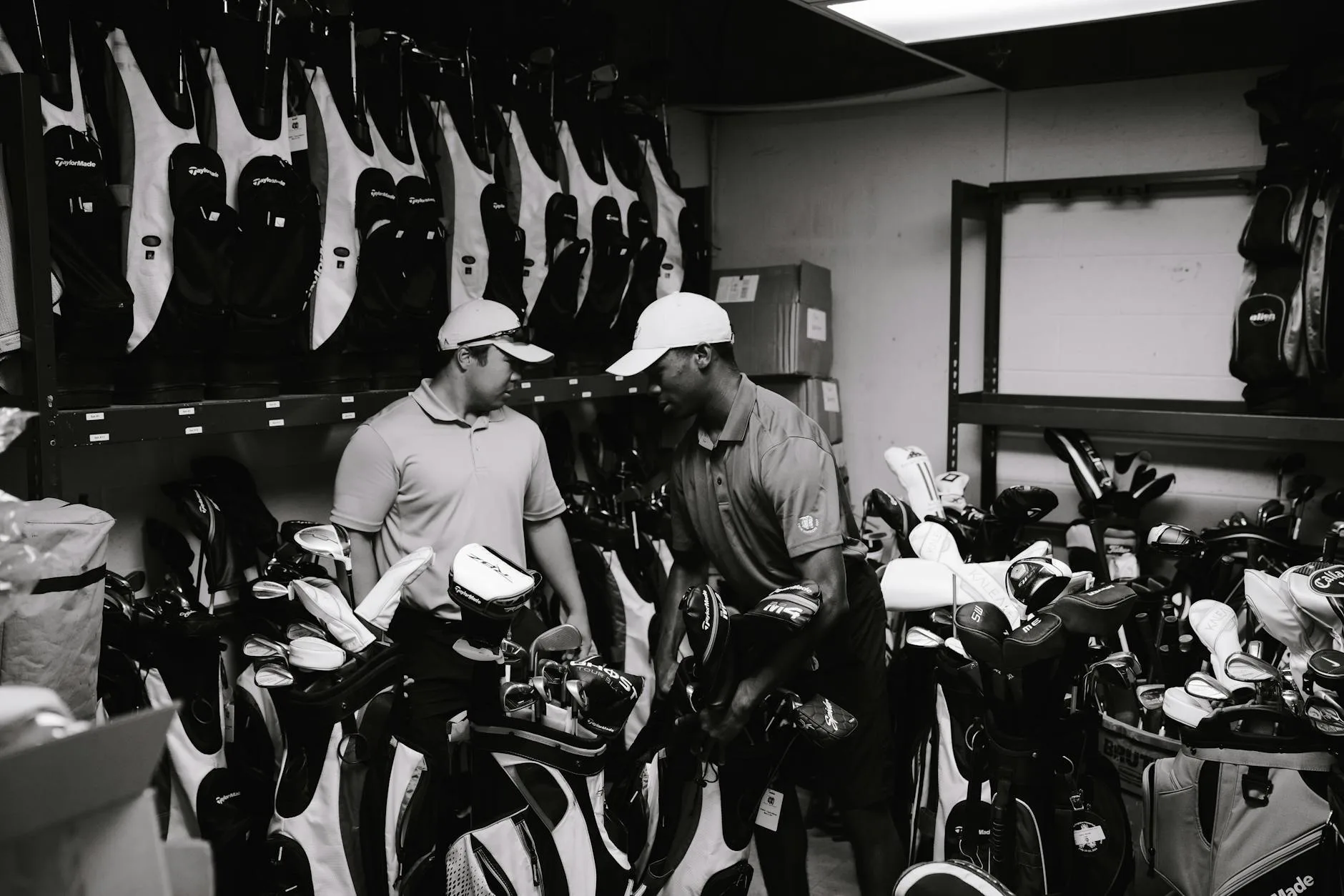
Here’s the bit where golf’s reputation for being expensive comes in. Yes, a full set of top-brand clubs costs £1,500-3,000. No, you don’t need that. You can get started for under £150, and probably should — because you don’t know your preferences yet.
The Starter Kit
- A half set of clubs (7 clubs): This is all a beginner needs. A driver, a fairway wood, a hybrid, 7-iron, 9-iron, sand wedge, and putter covers every situation you’ll face. Second-hand sets from American Golf, Decathlon, or eBay go for £80-200
- Golf balls: Don’t buy expensive balls — you’ll lose them. Lakeballs (retrieved from water hazards and resold) cost £8-15 for 50 from sites like Lost Golf Balls or Amazon UK
- A bag: A lightweight stand bag is fine. Second-hand from eBay or Facebook Marketplace for £20-40
- Glove: £8-15 from any golf retailer. Left-hand glove for right-handed players
- Tees: A bag of wooden tees costs about £3 and lasts months
Our guide to the best golf clubs for beginners breaks down specific models worth considering if you want more detail on what to buy.
What You Don’t Need Yet
- A full 14-club set (you won’t know what the extra clubs do)
- A GPS rangefinder (learn to judge distance by eye first)
- Expensive branded clothing (clean, collared shirt and smart trousers will do)
- A trolley (carry your half-set — it’s lighter than a rucksack)
Understanding Golf Course Types in the UK
Not all courses are created equal, and some are much more beginner-friendly than others. Choosing the right place to play your first rounds makes a big difference to your experience.
Municipal and Public Courses
Council-run or publicly accessible courses. These are the most beginner-friendly — no membership required, relaxed dress codes, and green fees of £15-30 per round. The condition won’t match a private club, but nobody cares how slowly you play. Perfect for your first few rounds.
Pay-and-Play Courses
Privately owned but open to non-members. Typically better maintained than municipals, with green fees of £20-50. Some have a dress code (collared shirt, no jeans), so check before you go. Many offer twilight rates after 3-4pm that are 30-50% cheaper. For a related angle, see our Wedge Bounce and Grind Explained guide.
Private Members’ Clubs
Range from affordable local clubs (£500-1,000 annual membership) to exclusive venues (£2,000-10,000+). As a beginner, you don’t need a membership — focus on pay-and-play courses until you’re playing regularly and know you enjoy it. Some clubs offer “taster memberships” for 3-6 months at a reduced rate.
Par-3 and Pitch-and-Putt Courses
Short courses where every hole is under 150 metres. Ideal for beginners because rounds take 60-90 minutes instead of 4 hours, and you only need a few clubs. Green fees are £5-15. Many parks and leisure centres have these.
Your First Round: What to Expect
The first time you step onto a proper course feels like a big deal — and it should. Here’s what to know so you’re prepared rather than anxious.
Before You Go
- Book a tee time — don’t just turn up. Most courses have online booking or you can phone the pro shop
- Arrive 20-30 minutes early to check in, warm up on the putting green, and find the first tee
- Bring extra balls (at least a dozen), tees, a water bottle, and a ball marker (a coin works fine)
- Check the dress code — most courses require a collared shirt and don’t allow denim. Golf shoes are ideal but clean trainers are usually acceptable at municipal courses
On the Course
- Ready golf: Play when you’re ready rather than waiting for the person furthest from the hole. This speeds up play for everyone
- Pick up your ball: If you’ve hit 8+ shots on a hole and you’re not near the green, pick up and move on. Nobody minds — it keeps the pace going
- Repair pitch marks: If your ball lands on the green and makes a dent, fix it with a pitch mark repairer (they cost £2-3). It’s the single most appreciated thing you can do as a new golfer
- Let faster groups through: If the group behind is waiting on every shot, wave them through at the next par-3 or when there’s a gap ahead
For a deeper look at the rules and customs, our beginner’s guide to golf rules and etiquette covers everything you need to know. And our guide to golf course etiquette explains the unwritten rules that nobody tells beginners about.
The Handicap System Explained
Golf’s handicap system is one of its most clever features — it levels the playing field so beginners can compete against experienced players. You don’t need one immediately, but understanding how it works helps.
What Is a Handicap?
Your handicap is a number representing how many shots above par you typically shoot. A 28-handicap player usually shoots 28 over par for 18 holes. The maximum handicap is 54 (lowered from historical limits to make the game more inclusive).
Getting Your First Handicap
Since 2020, the World Handicap System (WHS) has standardised handicaps globally. To get one:
- Join a golf club or affiliate through an organisation like iGolf (£46/year through England Golf — no club membership required)
- Submit three 18-hole scorecards (or six 9-hole cards)
- Your handicap is calculated automatically
Why Bother?
A handicap lets you enter competitions, play in society events, and track your improvement over time. It’s also useful for booking tee times at some courses that require a maximum handicap. Don’t rush it — play a few casual rounds first and get your handicap when you’re ready to play more regularly.
Golf Fitness and Injury Prevention
Golf looks gentle from the outside, but the swing generates enormous rotational force through your spine, hips, and shoulders. New golfers who jump in enthusiastically often end up with back pain, golfer’s elbow, or shoulder issues within the first few months.
Warm Up Properly
This is the bit almost every golfer skips, and it matters more than people think:
- Swing two clubs together slowly — the extra weight stretches your muscles
- Do 10-15 torso rotations, arms across your chest
- Stretch your hamstrings and hip flexors — these tighten from the walking and stance
- Hit 10-15 range balls starting with gentle half-swings before going full
Common Beginner Injuries
- Lower back pain — usually from poor posture at address or over-rotating. A lesson fixes the cause; strengthening your core prevents recurrence
- Golfer’s elbow (medial epicondylitis) — inflammation from gripping too tightly. Relax your grip pressure — it should feel like holding a bird: firm enough it can’t escape, gentle enough you don’t hurt it
- Shoulder strain — typically from trying to swing too hard too early. Power comes from rotation, not arm strength
How Much Does Golf Cost in the UK?
Let’s be honest about the money. Golf can be as cheap or expensive as you make it, but here’s a realistic breakdown for a beginner’s first year.
Getting Started (One-Off Costs)
- Second-hand half set + bag: £100-200
- Glove, tees, balls: £25-40
- 5-6 group lessons: £80-120
- Shoes (optional first year): £40-80
Total to get started: £245-440
Ongoing Costs (Per Round, Pay-and-Play)
- Green fees: £15-40 per round
- Range practice: £5-10 per session
- Lost balls replacement: £5-10 per round (it gets better!)
If you play twice a month and practise weekly, that’s roughly £80-150 per month. Less than a gym membership at a premium chain, and you’re getting four hours of fresh air and exercise per round. Our How to Practice Golf Effectively guide is useful alongside this.
The Club Membership Question
Club memberships range from £500 for a basic local club to £2,000+ for a well-known course. The break-even point is usually around 30-40 rounds per year. If you’re playing that much, membership makes financial sense and comes with access to competitions, a handicap, and a social scene. Most clubs offer flexible membership tiers — midweek only, twilight, or 5-day options that cut costs.
Joining a Club vs Pay-and-Play
This decision usually comes up about 6-12 months into your golf journey. Both approaches work, and the right choice depends on your personality and playing frequency.
Pay-and-Play Advantages
- No commitment — play when you want, where you want
- Variety — try different courses around the UK
- No social obligation — no club nights, no committee meetings, no expectation to enter competitions
- Lower total cost if you play less than once a week
Club Membership Advantages
- Cheaper per round once you’re playing regularly (30+ rounds per year)
- Handicap included — iGolf costs extra for non-members
- Social network — golf’s social side is one of its biggest draws. Club competitions, roll-ups (informal games), and the 19th hole (the bar) are where friendships form
- Course knowledge — playing the same course repeatedly teaches course management faster than playing a different course every time
- Practice facilities — many clubs have putting greens, short-game areas, and ranges included in membership
My Recommendation
Stay pay-and-play for your first 6-12 months. Use that time to work out whether you prefer links or parkland courses, whether you like competitive play, and how often you realistically play. Then visit 3-4 local clubs, play as a visitor, and see where you feel welcome. The club’s atmosphere matters more than the course condition — you want somewhere that values new members and doesn’t feel cliquey.
Building Your Game: The First Six Months
Months 1-2: Foundation
Focus on making consistent contact with the ball. Practise at the range 1-2 times per week, have a lesson every fortnight, and don’t go near the course yet (unless it’s a par-3 or pitch-and-putt). Work on:
- Grip and stance — these become muscle memory, so get them right early
- 7-iron swing — this is your foundation club. Once you can hit it reliably 100-120 metres, you’re ready for more
- Putting — spend 15 minutes per range session on the putting green. Putting accounts for 40% of your shots
Months 3-4: First Rounds
Play your first 9-hole rounds on easy, quiet courses. Don’t keep score — focus on enjoying the experience, managing the course, and keeping up with the pace of play. Gradually move to 18 holes when your fitness and confidence allow.
- Learn one new club per week — add the driver, then the sand wedge, then the hybrid
- Short game practice — chipping and pitching around the green saves more shots than hitting the ball further
- Course management — lay up short of trouble rather than trying hero shots. The boring play is usually the smart play
Months 5-6: Growing Confidence
By now you should be comfortable playing 18 holes and shooting somewhere around 100-120 for the round. This is normal and nothing to be embarrassed about.
- Get your handicap — you’re ready
- Enter a beginner competition — many clubs run “newcomer” or “rabbit” events with a relaxed atmosphere
- Have a lesson to address specific weaknesses — by now you’ll know whether it’s your driving, iron play, or short game that needs the most work
- Start tracking your stats — apps like Golf GameBook or The Grint help you see where you’re losing shots

Common Beginner Mistakes and How to Avoid Them
After playing with dozens of beginners over the years, the same mistakes come up repeatedly. Avoiding these will fast-track your progress.
Buying Expensive Equipment Too Early
Your £1,200 Titleist driver won’t make up for a poor swing. Use second-hand clubs for the first year, then get custom-fitted once your swing is consistent. Custom fitting is worth every penny — but only when your swing is repeatable enough for the fitting data to be meaningful.
Practising Without Purpose
Hammering 100 balls at the range with a driver is fun but teaches you almost nothing. Have a plan: 20 balls with the 7-iron working on contact, 20 with the driver working on alignment, 20 chips, and 15 minutes on the putting green. Quality practice beats quantity every time.
Ignoring the Short Game
New golfers obsess over distance off the tee. But most shots happen within 100 metres of the hole — chips, pitches, bunker shots, and putts. An extra 20 metres off the tee saves you one shot per round at best. Better chipping and putting can save you 10-15 shots. The maths is clear.
Playing Too Slowly
Slow play is the single biggest frustration in golf, and beginners are often the cause. It’s not about rushing — it’s about being ready. Walk to your ball while others play theirs. Have your club selected before it’s your turn. If you’ve hacked it sideways three times, pick up and move on. Nobody will judge you for picking up; they will judge you for holding up play.
Not Learning the Rules and Etiquette
You don’t need to memorise all 24 rules, but know the basics: out of bounds, water hazards, unplayable lies, and how to drop properly. More importantly, understand course etiquette — fixing pitch marks, raking bunkers, replacing divots, keeping quiet during someone’s swing. These matter more to other golfers than your score does.
Frequently Asked Questions
How much does it cost to start playing golf in the UK? You can get started for £245-440, including a second-hand half set of clubs (£100-200), a glove, tees and balls (£25-40), and a block of group lessons (£80-120). You don’t need expensive equipment — save that for when your swing is consistent.
Do I need to join a golf club to play? No. Municipal courses and pay-and-play venues are open to everyone without membership. You can also get a handicap through iGolf (£46/year via England Golf) without joining a club. Membership becomes worthwhile once you’re playing 30+ rounds per year.
How long does it take to get decent at golf? With regular practice (range once or twice a week) and a few lessons, most beginners can play a comfortable 18 holes within 3-4 months. Breaking 100 typically takes 6-12 months of consistent play. Golf is a lifelong learning curve — that’s part of the appeal.
What should I wear to play golf? Most courses require a collared shirt (polo shirt) and smart trousers or shorts — no jeans, no football shirts. Golf shoes are ideal but clean trainers are usually accepted at municipal and pay-and-play courses. Check the specific course dress code before your first visit.
Can I teach myself golf or do I need lessons? You can teach yourself the basics at a driving range, but 5-6 lessons with a PGA professional will accelerate your progress enormously and prevent bad habits that are hard to fix later. Group lessons cost as little as £15-25 per session and are well worth the investment.