You hit 80 balls at the driving range, felt good about three of them, posted a photo on Instagram, and drove home. That’s not practice — that’s entertainment. There’s nothing wrong with hitting balls for fun, but if you want to actually get better, the way you practise matters far more than how much.
Most club golfers practise without any structure. They pull out the driver, hit 50 balls in 20 minutes, then wonder why their scores don’t improve. I spent two years doing exactly this before a PGA pro watched me for five minutes and said: “You’re practising how to hit bad shots consistently.” He was right. Here’s what he taught me, and what I’ve learned since.
In This Article
- Why Most Golfers Practise Wrong
- The Three Types of Practice
- Driving Range Practice That Works
- Short Game Practice: Where Scores Actually Drop
- Putting Practice: The Most Neglected Skill
- Practice with a Purpose: Goal Setting
- How Long Should You Practise?
- Practice Drills That Work
- Practising at Home
- When to Get a Lesson Instead
- Building a Weekly Practice Plan
- Frequently Asked Questions
Why Most Golfers Practise Wrong
The Driving Range Trap
The driving range feels productive. You’re hitting balls, you’re sweating, you’re working on your swing. But unless you’re practising with intention, you’re just grooving whatever habits you already have — good or bad.
Watch any driving range on a Saturday morning:
- 80% of the balls hit are with a driver or long irons — the clubs that matter least to your score
- Most golfers hit ball after ball without pausing — no alignment check, no target, no reflection
- Nobody practises short game — chipping, pitching, and bunker play, which account for 60% of shots in a round
- Nobody practises under pressure — every shot is consequence-free
The Evidence
Studies from the Golf Digest Performance Centre show that amateur golfers who spend 70% of practice time on short game and putting improve their handicap 3-5 times faster than those who spend 70% on full swing. The data is clear, but habit beats logic at most ranges.
The Fix
Structured practice with specific goals, balanced between full swing, short game, and putting. Quality over quantity. Thirty minutes of focused practice beats two hours of mindless ball-hitting every time.
The Three Types of Practice
Technical Practice
Working on a specific swing change or technique. This is where you slow down, use training aids or alignment sticks, hit fewer balls, and focus on feel. You’re building new motor patterns, which requires repetition and attention.
- When: During the off-season or when working on a change with your pro
- How: 30-50 balls maximum. Slow, deliberate swings. Video your swing for feedback
- Mindset: Process-focused. Don’t care where the ball goes — care about the movement
Block Practice
Hitting the same shot repeatedly with the same club. Good for grooving a specific shot — 20 7-irons to the same target, 15 bunker shots, 10 lag putts.
- When: To build consistency with a specific club or shot
- How: Same setup, same target, same routine. Repetition builds muscle memory
- Mindset: Consistency-focused. How many out of 10 can you hit within your target area?
Random Practice (Game Practice)
Simulating on-course conditions. Every shot is different — different club, different target, different lie. This is how you play golf, so this is how you should practise most.
- When: Before a round, or as your primary practice mode
- How: Play imaginary holes. Hit a driver, then a 7-iron to a new target, then a wedge. Never hit the same shot twice in a row
- Mindset: Performance-focused. Go through your full pre-shot routine on every ball
England Golf recommends structured practice as a key part of improvement, and most PGA coaches will tell you the same — purposeful practice is the fastest route to lower scores.
Driving Range Practice That Works
The 60-Ball Session
Instead of buying 100 balls and spraying them at nothing, buy 60 and make every one count:
- Warm up with 10 easy wedge shots — loose, smooth swings to a close target
- Hit 10 mid-irons (7 or 8) to a specific target. Note how many land within a 15-yard radius
- Hit 10 longer clubs (5-iron or hybrid) with a specific target and shape in mind
- Hit 10 drivers — commit to a target line and pre-shot routine on every single one
- Play 10 “on-course” shots: alternate clubs as if playing a hole (driver, iron, wedge, repeat)
- Finish with 10 wedge shots to different distances — 40 yards, 60 yards, 80 yards
That’s 60 purposeful shots. Worth more than 200 mindless ones.
Alignment Sticks
Two alignment sticks (about £5 for a pair) laid on the ground transform your range session. One points at your target, the other sits parallel to show your body alignment. Without them, most golfers aim 10-20 yards right of where they think they’re aiming.
Track Your Hits
Keep a simple mental tally: out of 10 shots, how many hit the target zone? Next session, try to beat your score. This turns practice into a measurable game rather than vague exercise.
Short Game Practice: Where Scores Actually Drop
Why Short Game Matters Most
In a typical 18-hole round for a mid-handicap golfer:
- 14-16 putts are inside 20 feet
- 6-10 chips and pitches around the green
- 2-4 bunker shots per round
- Only 10-12 full swings with irons or woods
That means roughly 60-65% of your shots happen within 100 yards of the hole. Yet most golfers spend 80% of practice time on full swing. The mismatch is staggering.
Chipping Practice
Find the practice chipping green at your club (most have one) and spend 20 minutes:
- Drop 10 balls at varying distances from the green edge (5, 10, 15 yards off)
- Chip each to a specific hole or target
- Count how many you get within 3 feet of the target
- Move to a different spot and repeat
- Challenge: get 7 out of 10 within a club-length
Pitch Shots (30-60 Yards)
The awkward distance that most amateurs dread. Practice 30, 40, 50, and 60-yard shots with your sand wedge and gap wedge. Learn how far each club goes with a half swing, three-quarter swing, and full swing. Once you know your distances, these shots become confident rather than terrifying.
Bunker Practice
Most golfers avoid bunker practice because it’s messy and boring. That’s exactly why they panic in bunkers during a round. Fifteen minutes a week in the practice bunker transforms your sand play within a month.
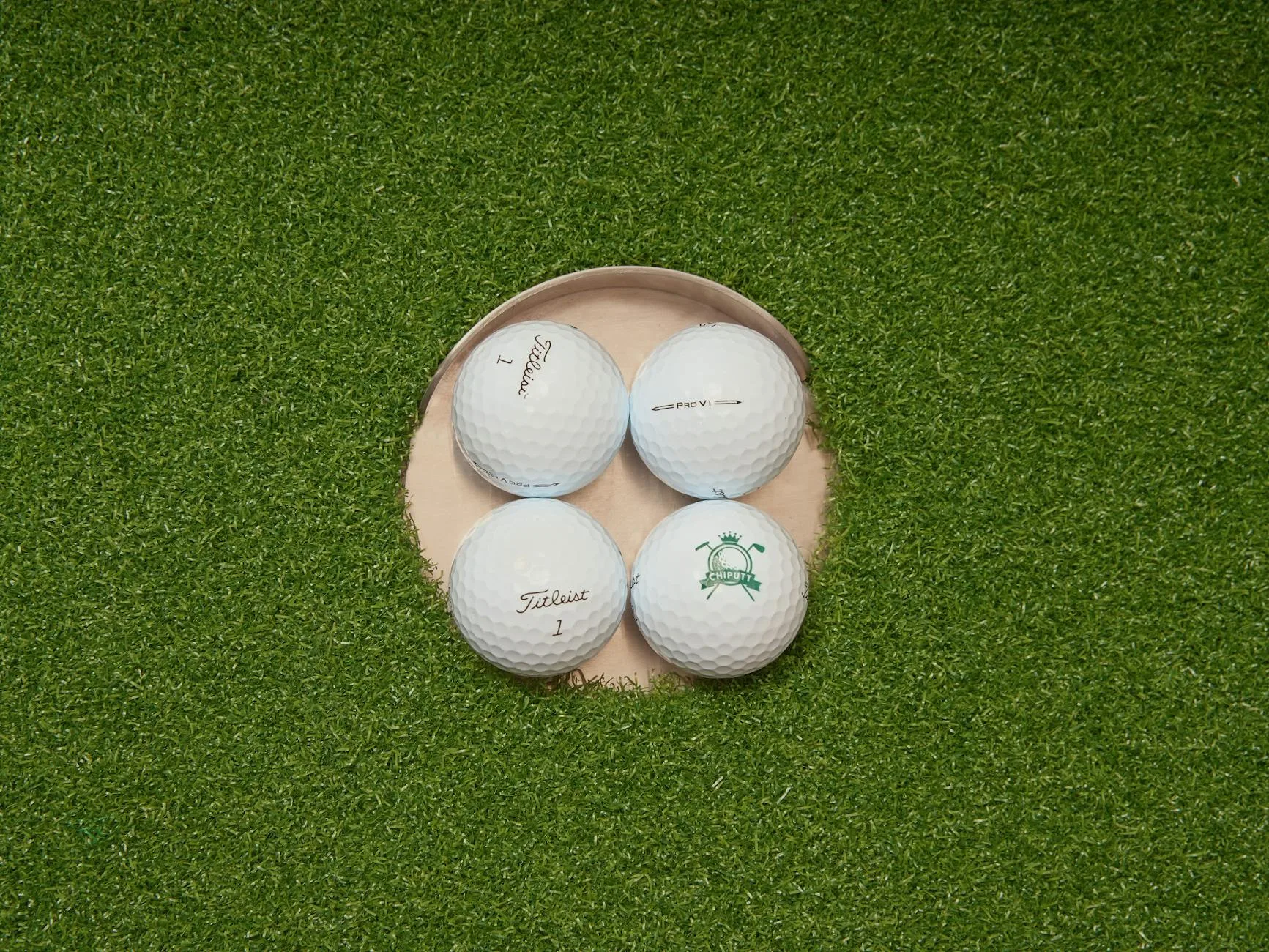
Putting Practice: The Most Neglected Skill
Short Putts (Inside 6 Feet)
These are the putts that make or break your score. A mid-handicapper who holes 80% of 4-foot putts instead of 50% saves 3-4 shots per round. That’s the difference between breaking 90 and not.
Drill — The Clock: Place 8 balls in a circle, 4 feet from the hole (like clock positions). Hole all 8. If you miss one, start over. This builds pressure and concentration. For a related angle, see our How to Warm Up Before a Round of Golf guide.
Lag Putting (20-40 Feet)
You won’t hole many putts from this range, but you can avoid three-putting. The goal is to get every putt within 3 feet — a comfortable two-putt range.
Drill — The Towel: Place a towel 3 feet past the hole. Every lag putt must finish past the hole but short of the towel. Dead weight — no charging, no leaving it short.
Speed Control
Speed matters more than line. A putt with perfect line but wrong speed misses. A putt with slightly wrong line but perfect speed often drops or finishes inches away. Practise speed first, then refine your aim.
For more on how to break scoring barriers, our breaking 100 guide gives practical strategies for improving your scorecards.
Practice with a Purpose: Goal Setting
SMART Goals for Golf
- Specific: “Improve my sand saves from 20% to 40%” beats “get better at bunkers”
- Measurable: Track stats during rounds — fairways hit, greens in regulation, putts per round
- Achievable: Dropping 5 shots in a season is realistic. Dropping 15 isn’t
- Relevant: If you three-putt 6 times a round, putting practice is more relevant than driver practice
- Time-bound: “By the end of July” gives you a deadline to work toward
Identifying Weaknesses
After your next five rounds, note which shots cost you the most strokes. Is it tee shots into trouble? Approach shots missing the green? Three-putts? Duffed chips? The answers tell you exactly where to focus your practice time.
The 70/30 Split
Spend 70% of practice time on weaknesses and 30% on strengths. It’s tempting to practise what you’re already good at (it feels rewarding), but improving weaknesses has a far bigger impact on your overall score.
How Long Should You Practise?
Quality Over Duration
- 30 minutes of focused practice beats 2 hours of unfocused hitting
- Three 30-minute sessions per week beats one 3-hour session
- Concentration fades after 45-60 minutes — after that, you’re reinforcing fatigue and sloppy technique
Recommended Weekly Time
- Beginners (36+ handicap): 1-2 hours per week, split between range and short game
- Mid-handicap (18-36): 2-3 hours per week. 30% range, 40% short game, 30% putting
- Low handicap (under 18): 3-5 hours per week. Tailored to specific weaknesses
Before-Round Practice
Arrive 30 minutes before your tee time. Hit 20 easy shots to loosen up (start with wedges, finish with driver). Then spend 10 minutes on the putting green getting a feel for speed. Don’t try to fix your swing on the range before a round — that’s a recipe for confusion. Our Is Golf Good Exercise? Calories, Fitness & Health guide is useful alongside this.
Practice Drills That Work
The Par-18 Game (Putting)
Play 9 putts from different positions on the practice green. Par is 2 for each putt (18 total). Any putt holed is a birdie (1). Three-putts are bogey (3). Try to break par. This simulates on-course pressure and tracks improvement.
The Landing Zone Challenge (Chipping)
Place a towel or hoop on the green. From various positions around the edge, try to land your chip shot on the towel. The ball can roll wherever it wants — you’re training landing spot accuracy, not final position.
The 10-Ball Test (Irons)
Hit 10 7-irons to a specific target. Score each shot: 3 points for within 10 yards, 2 points for within 20 yards, 1 point for within 30 yards, 0 for anything worse. Track your score over weeks.
Worst Ball (On-Course Practice)
Play two balls on every shot. Take the worse result each time. If you can break 100 playing worst ball, your actual game is in great shape. This is brutal but ruthlessly good at exposing weaknesses.
Practising at Home
Putting Mat
A putting mat (about £20-50 for a decent one from Amazon UK) lets you practise stroke and speed daily. Even 10 minutes of putting while watching TV builds consistency. Focus on a smooth, pendulum stroke rather than trying to hole every putt. We cover a similar decision in Best Golf Bags 2026 UK: Stand, Cart & Tour.
Chipping Net
A pop-up chipping net in the garden (about £15-30) lets you practise chip shots with foam or plastic practice balls. You won’t get the feel of ball-on-green contact, but the swing mechanics transfer directly.
Alignment and Posture Drills
Stand in front of a mirror and check your setup: grip, stance width, ball position, posture. Most swing faults start with a poor setup. Five minutes of mirror work before heading to the range ensures you’re starting from the right position.
Grip Pressure Drill
Hold a club while watching TV. Practise maintaining light grip pressure (4 out of 10) through a slow-motion swing. Tension kills clubhead speed and feel — this drill trains you to relax.
For guidance on choosing the right equipment to practise with, our golf club selection guide helps you match clubs to your current ability.
When to Get a Lesson Instead
Signs You Need Professional Help
- You’ve been the same handicap for 2+ years despite regular practice
- You have a recurring miss (always slice, always thin chips) that you can’t fix alone
- You’re rebuilding your swing — a pro can guide the change and prevent bad compensations
- You don’t know what to practise — a lesson gives you specific drills and focus areas
How Often
One lesson per month with focused practice between lessons is more effective than a lesson every week. Your body needs time to ingrain changes before adding new ones.
What to Look For
Find a PGA-qualified professional who uses video analysis and gives you clear, simple takeaways to practise. Avoid pros who change everything at once — good teaching makes one change at a time and builds progressively.

Building a Weekly Practice Plan
The 2-Hour Weekly Plan (Mid-Handicap)
- Session 1 (45 mins): 20 minutes range (60-ball structured session), 25 minutes short game (chipping and pitching)
- Session 2 (45 mins): 15 minutes bunker practice, 30 minutes putting (clock drill, lag putting, par-18 game)
- Session 3 (30 mins, pre-round): 15 minutes easy range warmup, 15 minutes putting green speed calibration
The 1-Hour Weekly Plan (Casual Improver)
- Session 1 (30 mins): 15 minutes range with purpose, 15 minutes chipping
- Session 2 (30 mins): 30 minutes putting only (the single fastest way to lower scores)
Adjusting Through the Season
- Winter (off-season): Focus on technical changes and indoor drills. This is when to rebuild
- Spring: Transition from technical to random practice. Get “round-ready”
- Summer (competition season): Mostly random/game practice. Maintain don’t rebuild
- Autumn: Review the season. Identify what needs work over winter
Frequently Asked Questions
How many balls should I hit at the range? Quality beats quantity. 50-60 purposeful balls with a target and pre-shot routine is more valuable than 200 mindless swings. Most PGA coaches recommend 40-80 balls per session with a clear structure — warmup, specific work, game simulation, cool down.
Should I practise at the range or on the course? Both. The range is for building technique and grooving shots. The course is for learning course management, handling pressure, and practising with consequences. Ideally, play 1-2 rounds per week and practice 1-2 additional sessions.
How long does it take to see improvement from practice? With structured practice of 2-3 hours per week, most golfers see measurable improvement within 4-6 weeks. Putting and short game improvements show up fastest. Full swing changes take longer — typically 2-3 months to feel natural and 4-6 months to trust under pressure.
Is it better to practise every day or have longer sessions? Short, frequent sessions beat long, infrequent ones. Three 30-minute sessions per week is better than one 90-minute session. Your brain consolidates motor learning during rest, so spacing practice allows neural pathways to strengthen between sessions.
Should I warm up before practising? Yes. Start with easy wedge shots (10-15 balls) to loosen your muscles and find your rhythm. Don’t grab the driver first — hitting full power when cold risks injury and ingrains tense, compensatory swings. Build up gradually from short clubs to long.