You don’t need to fly to Augusta or St Andrews to play a memorable round of golf. The UK has over 2,500 golf courses, and buried among the municipal nine-holers and overpriced resort courses are some of the finest layouts in the world — courses where the views alone are worth the green fee, where the design makes you think about every shot, and where the post-round pint tastes better because you earned it.
This isn’t a ranked list arguing that course number 3 is better than course number 4. It’s a practical guide to courses worth travelling for across England, Scotland, Wales, and Northern Ireland — from the famous links everyone should play once to the hidden gems that locals guard jealously. Green fees, best time to visit, and what to expect when you get there.
In This Article
- What Makes a Great Golf Course
- Best Links Courses in the UK
- Best Parkland Courses in the UK
- Best Heathland Courses in the UK
- Best Courses in Scotland
- Best Courses in England
- Best Courses in Wales
- Best Courses in Northern Ireland
- Best Affordable Courses Under £75
- Booking Tips and Visitor Information
- What to Bring and Expect as a Visitor
- Frequently Asked Questions
What Makes a Great Golf Course
Great courses share a few qualities that separate them from merely good ones. Understanding what to look for helps you choose where to spend your money — and at £50-300+ per round for the best courses, you want to choose well.
Course Condition
The quality of the playing surfaces matters more than the design. A brilliant layout in poor condition is frustrating; a simple layout with perfect greens, manicured fairways, and consistent bunkers is a joy. UK courses are generally at their best from May to September, though links courses play well year-round because they drain faster than parkland.
Design and Variety
The best courses present a variety of challenges:
- Long par 4s that test your driving accuracy and distance
- Short par 3s that demand precision with mid-irons and wedges
- Risk-reward par 5s where you decide whether to go for the green in two or lay up
- Strategic bunkering that forces you to think about placement rather than just hitting it straight
No two holes should feel the same. A well-designed course asks different questions of your game on every tee.
Setting and Atmosphere
This is subjective but real. Playing along coastal cliffs with the sea crashing below, or through ancient woodland with deer grazing beside the fairway, or across heathland with heather and gorse framing every shot — the setting elevates the experience beyond just hitting a ball. The best UK courses have settings that make you pause between shots and look around.
Accessibility to Visitors
Some private clubs restrict visitor access to weekday mornings or require a letter of introduction. Others welcome visitors seven days a week. The courses below all accept visiting golfers, though booking requirements vary.
Best Links Courses in the UK
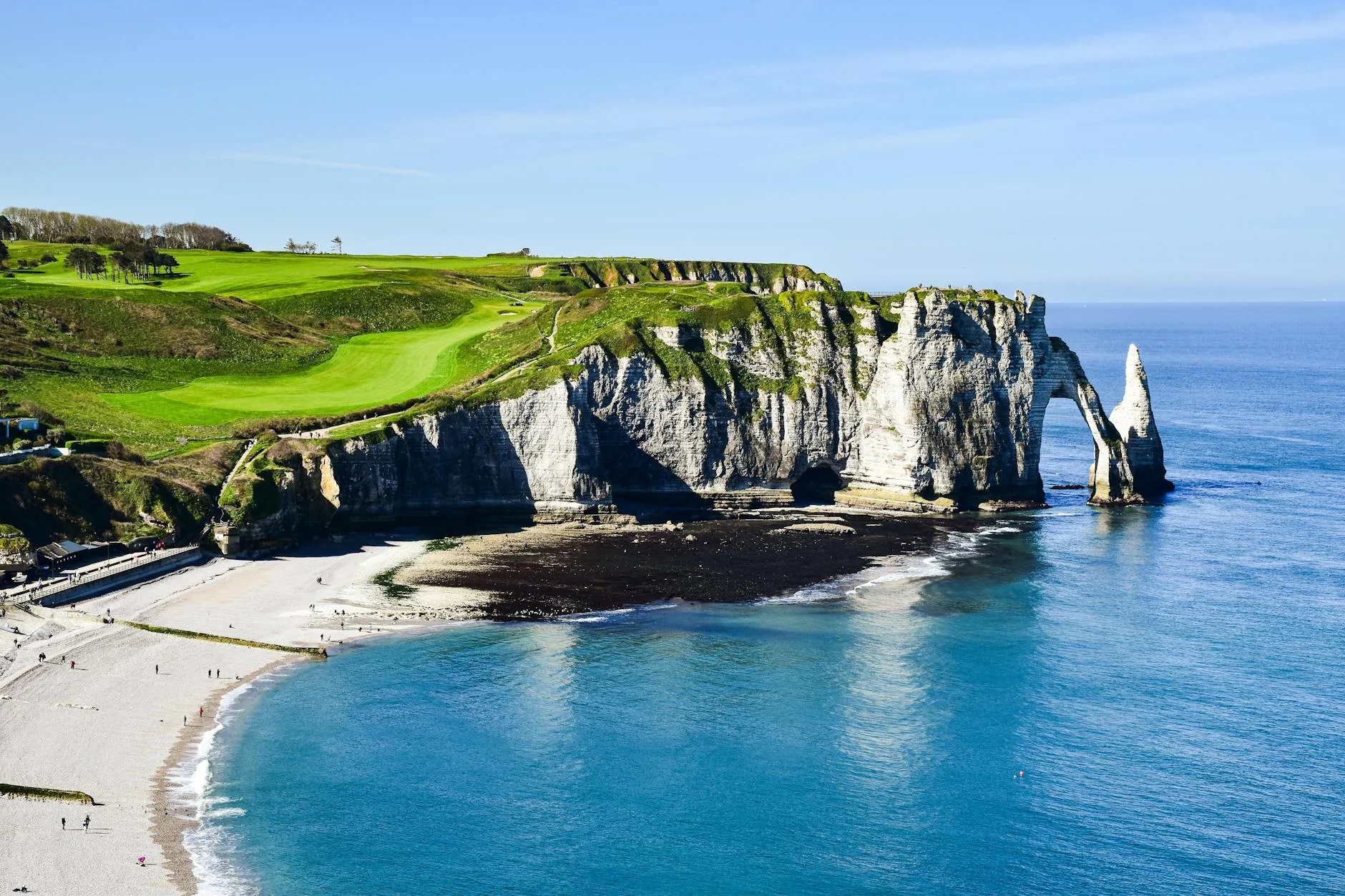
Links golf is the original form of the game — played on sandy, coastal land between the beach and the farmland. The defining features are firm, fast-running fairways; deep pot bunkers; wild rough; and wind that changes every hole. Links golf is the purest test in the sport.
Royal County Down, Newcastle (Northern Ireland)
Widely considered the best links course in the world, and it lives up to the reputation. The Mountains of Mourne provide a stunning backdrop to every hole, and the course itself is a masterclass in links design — blind tee shots over gorse-covered dunes, greens tucked into natural hollows, and bunkers that punish anything off line. Green fees are steep (around £250-300 in peak season) but this is a once-in-a-lifetime round for most golfers.
Royal Birkdale, Southport (England)
Host to ten Open Championships, Birkdale is classic English links — towering dunes, rumpled fairways, and pot bunkers that swallow golf balls whole. The layout is fair but demanding, and the condition is always immaculate. Visitor green fees around £200-250 in summer. Book well in advance — availability is limited and demand is high.
Royal Dornoch, Sutherland (Scotland)
Remote, beautiful, and worth every mile of the drive north. Dornoch is natural links at its finest — the course looks like it was always there, carved by wind and waves rather than designed by architects. The greens are some of the best in Britain, with subtle breaks and firm, true surfaces. Green fees around £150-200. The drive up the A9 is part of the experience.
Turnberry (Ailsa Course), Ayrshire (Scotland)
The Ailsa Course at Turnberry, with the iconic lighthouse on the 9th hole, is one of the most photographed golf courses in the world. The course hugs the coastline for most of its length, with views across to the Isle of Arran and Ailsa Craig. Currently owned by Trump Turnberry, which is divisive, but the golf itself is magnificent. Green fees from £125-175 depending on season.
Best Parkland Courses in the UK
Parkland courses are inland, set in manicured grounds with mature trees, lakes, and gentle terrain. They’re less exposed than links courses and play longer because the ball doesn’t run as far on softer fairways.
Wentworth (West Course), Surrey
The “Burma Road” — one of the most famous inland courses in Europe. Host to the PGA Championship (now the BMW PGA) annually. Tree-lined fairways, challenging par 4s, and greens that test even the best putters. The 18th is one of the finest finishing holes in golf. Very expensive — green fees around £300-400 for non-members — but the condition and prestige are unmatched in English parkland golf. The England Golf website can help you find courses at every price point if Wentworth’s beyond budget.
The Grove, Hertfordshire
A former WGC venue set in stunning Hertfordshire countryside. Kyle Phillips designed the course to feel like a links course transplanted to parkland — firm fairways, large greens with links-style undulations, and strategic bunkering. Less stuffy than many premium clubs and actively welcomes visitors. Green fees around £100-150. Excellent practice facilities too. For a related angle, see our Best Junior Golf Clubs 2026: Sets by Age guide.
The Belfry (Brabazon Course), Warwickshire
Famous as the home of four Ryder Cups. The Brabazon is a resort course in the best sense — maintained to tournament standard, challenging but fair, with several iconic holes including the driveable par-4 10th over water. Green fees around £100-175 depending on time and packages. The 36-hole resort setup means availability is usually good.
Best Heathland Courses in the UK
Heathland golf is uniquely British — courses built on sandy, acidic soil covered in heather, gorse, and pine. The Surrey and Berkshire heathlands south-west of London contain the highest concentration of world-class courses in the UK.
Sunningdale (Old Course), Berkshire
The finest heathland course in the UK and one of the best inland courses in the world. Pine-lined fairways, purple heather in summer, and firm, fast greens that reward accurate iron play. The Old Course has a timeless quality — you could play it every week and never get bored. Very limited visitor access (specific days only, handicap certificate required). Green fees around £200-250.
Walton Heath (Old Course), Surrey
A classic heathland layout on top of the Surrey Hills. More exposed than Sunningdale, with a links-like feel on a windy day. The heather is punishing — find it and you’re likely taking a drop. Excellent value for the quality (green fees around £120-160) and more accessible to visitors than many Surrey heathlands.
Woodhall Spa (Hotchkin Course), Lincolnshire
England Golf’s national centre, and the Hotchkin Course is a masterpiece. Deep, steep-faced bunkers — some of the most dramatic in inland golf — defend every approach. The heathland setting in rural Lincolnshire is peaceful and gorgeous. Green fees are reasonable (around £80-120) and visitor access is good. If you play one heathland course outside the south-east, make it this one.
Best Courses in Scotland
Scotland is the home of golf, with over 550 courses for a population of 5.5 million. The concentration of quality is unmatched anywhere in the world.
St Andrews (Old Course), Fife
The birthplace of golf. Playing the Old Course is a pilgrimage every golfer should make. The double greens, the Swilcan Bridge, the Road Hole bunker on 17 — it’s steeped in history. Access is via a daily ballot (enter by 2pm the day before) or advance booking. Green fees around £200-275 in peak season. Worth every penny, but manage your expectations — the course is flat, the wind is relentless, and the blind shots can frustrate.
Kingsbarns, Fife
Just down the coast from St Andrews, Kingsbarns is a modern links masterpiece that opened in 2000. Every hole has a sea view, the design is dramatic but fair, and the condition is always pristine. Green fees around £200-275. If you’re making a St Andrews trip, add Kingsbarns — many visitors rate it higher than the Old Course for pure enjoyment. Make sure your club setup is right for links conditions before you travel.
Castle Stuart, Inverness
A modern links course with panoramic views across the Moray Firth. Wide fairways encourage aggressive play, but the greenside bunkering punishes imprecise approaches. The course is in superb condition year-round and welcomes visitors warmly. Green fees around £100-160. One of the best-value premium courses in Scotland.
Best Courses in England
Royal St George’s, Kent
Home of The Open Championship, most recently in 2021. A classic links course on the Kent coast with blind shots, massive bunkers, and undulating fairways that throw up awkward stances. Not the prettiest links — it lacks the dramatic scenery of coastal Scottish or Irish courses — but the quality of the golf is outstanding. Green fees around £175-250.
Saunton (East Course), Devon
An underrated links gem on the North Devon coast. The East Course is a genuine championship test with huge dunes, natural fairway contours, and some of the best greens in the south-west. Far less crowded and cheaper than the famous Open venues, with green fees around £80-120. If you’re holidaying in Devon or Cornwall, this is an essential stop. Our Best Golf Trolleys 2026 UK: Electric & Push guide is useful alongside this.
Best Courses in Wales
Royal Porthcawl, Bridgend
The finest course in Wales and a genuine links masterpiece. The opening holes run along the coastline with views across the Bristol Channel, and the course winds inland before returning to the sea for a spectacular finish. Host to the Senior Open and Walker Cup. Green fees around £100-150. Good visitor access on most days.
Pennard, Swansea
A hidden gem perched on the cliffs above Three Cliffs Bay on the Gower Peninsula. The setting is jaw-dropping — ruined castle on the course, views of the bay, sheep wandering the rough. The course itself is short but clever, with blind shots, sloping greens, and wind that makes club selection a guessing game. Green fees around £40-60. Quite possibly the best value for a memorable round anywhere in the UK.
Best Courses in Northern Ireland
Royal Portrush (Dunluce Links), County Antrim
Host of The Open in 2019, and Northern Ireland’s most famous course. The Dunluce Links is dramatic, demanding, and unforgettable — coastal holes with sheer drops, deep bunkers, and greens positioned on the edge of cliffs. The “Calamity Corner” par 3 is one of the most terrifying holes in golf. Green fees around £200-275.
Portstewart (Strand Course), County Londonderry
Just up the coast from Portrush and, in many people’s opinion, the better front nine. The first seven holes run through towering dunes along the Atlantic coast — as good a stretch of golf holes as you’ll find anywhere. The back nine is slightly less dramatic but still excellent. Green fees around £100-175. Less famous than Portrush but equally memorable.
Best Affordable Courses Under £75
Not every great round needs to cost a fortune. These courses offer exceptional golf at reasonable prices:
- Pennard, Gower — £40-60. Stunning clifftop setting, clever design, unforgettable views
- Brora, Sutherland — £50-70. A James Braid links with cattle on the course (yes, really). Charming, challenging, and cheap
- Nairn Dunbar, Highland — £50-70. A proper championship links at a fraction of the price of its Highland neighbours
- Woodhall Spa (Hotchkin), Lincolnshire — £80-120 (edges over £75 peak, but under £75 off-peak). England Golf’s national centre with dramatic bunkering
- Southerndown, Bridgend — £40-60. Clifftop course near Porthcawl with heroic tee shots and sea views
- Seaton Carew, County Durham — £40-60. One of England’s oldest links courses. Honest, natural, and superb value
Booking Tips and Visitor Information
When to Book
For famous courses (St Andrews, Royal County Down, Royal Birkdale), book 3-12 months in advance. For mid-tier courses, 2-4 weeks is usually sufficient. Budget courses rarely need more than a few days’ notice except on summer weekends.
Handicap Requirements
Many premium courses require a handicap certificate or proof of membership at a recognised club. Typical requirements range from 18-28 for men and 24-36 for women, though some courses have no handicap restriction. Check before booking — turning up without the required certificate can mean being turned away.
Twilight Rates
Most courses offer reduced green fees for twilight rounds (typically starting after 2-3pm). You might not finish 18 holes in summer, but you’ll get 14-16 in and save 30-50% on the green fee. An excellent way to play premium courses affordably.
Golf Passport Schemes
Several regional schemes offer discounted access to multiple courses. The golf holiday packages we’ve covered include multi-course options that reduce per-round costs when you’re playing several courses on a trip.
What to Bring and Expect as a Visitor
Dress Code
UK golf clubs still enforce dress codes. Smart golf attire is expected everywhere — collared shirt, tailored trousers or shorts (above knee usually fine), golf shoes. No jeans, no football shirts, no trainers. Pack proper golf waterproofs — you’ll need them regardless of the forecast. Some clubs require jacket and tie in the clubhouse dining room. Check the club’s website before visiting.
Pace of Play
Visitor rounds typically take 4-4.5 hours. Most clubs expect you to keep up with the group ahead. If you’re falling behind, let faster groups through. Being invited to play faster is not rude in British golf — it’s normal courtesy.
Trolleys and Buggies
Many links courses don’t allow buggies (riding carts) except with a medical certificate. Pull trolleys are welcome at most courses. Electric trolleys are banned at a few traditional clubs. Check before loading your electric trolley into the car.
Caddies
Available at premium courses, usually by advance booking. A caddie costs £40-80 plus tip. At links courses, a caddie transforms the experience — they know where to aim on blind shots, read the greens, and keep you out of the worst trouble. Worth the money on courses you’re playing for the first time.
Frequently Asked Questions
What’s the best golf course in the UK for a visitor? Royal Dornoch offers the best combination of world-class golf, visitor welcome, reasonable green fees (£150-200), and stunning setting. St Andrews Old Course is the most famous, but the ballot system makes access uncertain. For value, Pennard in Wales offers an unforgettable round for under £60.
How much does it cost to play the best UK golf courses? Premium championship courses (Royal County Down, St Andrews, Wentworth) charge £200-400 per round. Mid-tier quality courses run £75-150. Excellent courses exist below £75 — Pennard, Brora, and Nairn Dunbar are all superb for £40-70. Twilight rates reduce costs by 30-50% at most courses.
Do I need a handicap to play top UK courses? Many premium courses require a handicap certificate, typically 18-28 for men and 24-36 for women. Some have no restriction. Budget and resort courses rarely require one. Always check the club’s visitor information before booking — requirements vary widely.
When is the best time to play golf in the UK? May to September offers the best weather and course conditions. Links courses play well year-round because they drain quickly. Scottish Highlands courses are at their best June to August. Shoulder months (April, October) offer good conditions with lower green fees and fewer crowds.
Is links golf harder than parkland? Different rather than harder. Links golf demands creativity — you need to play low running shots, judge wind, and accept that a well-struck shot can bounce unfavourably. Parkland golf rewards target golf — high, precise approach shots that stop on the green. Most golfers find links harder initially because the skills are less familiar, but many grow to prefer it.