You’re standing on the first tee, the group behind is watching, and you reach into your bag for a tee. Nothing. You pat your pockets — no tees, no ball marker, no divot tool. You borrowed three balls from your mate on the range and you’ve already lost one in the warm-up. The round hasn’t started and you’re already that person.
Every golfer has been there. The clubs get all the attention and the budget, but it’s the small stuff — the accessories you keep in your bag pockets — that determines whether a round runs smoothly or descends into constant rummaging, borrowing, and apologising. Here’s what should be in your bag, what’s worth spending money on, and what’s a waste of space.
In This Article
- The Essentials: Never Play Without These
- Weather Protection
- On-Course Tools and Repair
- Practice and Improvement Aids
- Comfort and Personal Items
- Technology and Distance Measurement
- Bag Organisation Tips
- Accessories That Aren’t Worth It
- Seasonal Additions to Your Bag
- Building Your Accessories Kit on a Budget
- Frequently Asked Questions
The Essentials: Never Play Without These
Golf Balls
Obvious, but how many? Carry at least six balls per round. Good golfers lose 1-2 per round; beginners can lose 5-6 on a course with water or heavy rough. Buy a box of budget balls (Srixon Soft Feel, Titleist TruFeel, about £20-25 for a dozen from any pro shop) for practice rounds and save the premium balls for competitions. Our golf ball guide covers which type suits your game.
Tees
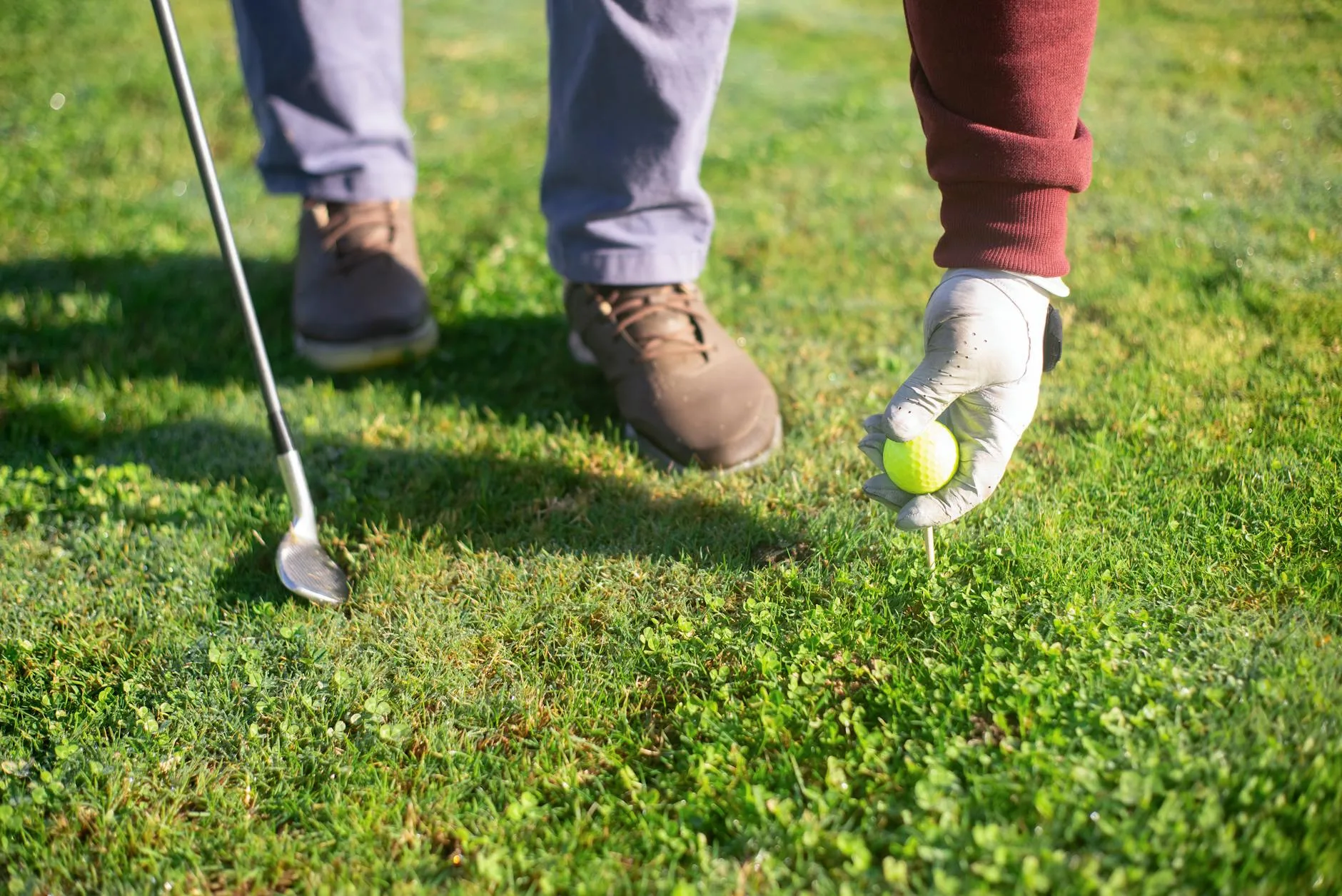
A bag of wooden tees costs about £3-5 for 100. Carry at least 15-20 per round — they break, you lose them in the rough, and you’ll hand a few to playing partners who forgot theirs. Standard 54mm tees work for most drivers; shorter 38mm tees suit fairway woods and hybrids off the tee. Don’t overthink tees — wooden ones are biodegradable, cheap, and do the job.
Ball Markers
A flat marker to place on the green when you pick up your ball. You can use a coin (most golfers use a 1p or 2p piece), but a proper ball marker sits flatter to the green and is easier to spot. Many golfers clip a magnetic marker to their cap or belt. About £3-8 for a decent one from any golf shop.
Divot Repair Tool
A small fork-like tool for repairing pitch marks on the green — the dents left when your ball lands. Repairing pitch marks is basic golf course etiquette and keeps greens smooth for everyone. A metal switchblade-style tool lasts forever and costs about £5-8. Carry it in your back pocket, not your bag — you’ll forget it otherwise.
Golf Glove
Most right-handed golfers wear a glove on their left hand (and vice versa). It improves grip, prevents blisters, and gives you a consistent connection to the club. Expect to replace it every 10-15 rounds — the leather wears on the palm and fingers. A good leather glove costs about £10-15 from any pro shop. Buy two and rotate them to extend life. Our glove guide has more detail on fit and materials.
Pencil and Scorecard
Your phone can keep score, but a pencil and physical scorecard is more practical on the course — no battery drain, no screen glare, no fumbling with wet touchscreens. Most clubs provide scorecards and pencils at the first tee, but carry a spare pencil in your bag. A golf-specific pencil with a clip costs about £2.
Weather Protection
British weather changes mid-round. Starting in sunshine and finishing in a downpour is not exceptional — it’s Tuesday.
Waterproof Jacket
Non-negotiable in your bag from October to April, and advisable year-round. A proper golf waterproof is cut to allow a full swing without restriction. General outdoor jackets restrict shoulder rotation. Expect to pay £60-150 for a decent golf-specific waterproof. Keep it in your bag permanently — the one time you leave it at home is the time it pours.
Umbrella
A large golf umbrella (at least 60 inches) covers you and your bag. Double-canopy designs resist wind better than single-layer. About £15-30 from any golf shop. Attach it to your bag or trolley with an umbrella holder — carrying it loose is awkward.
Waterproof Gloves
Rain gloves provide grip in wet conditions where a normal leather glove becomes slippery. They work on a different principle — they grip better when wet rather than worse. About £12-18 per pair. Keep a pair in your bag permanently for emergency rain rounds.
Towel
A microfibre towel clipped to your bag for wiping clubs, balls, and hands. Essential in any weather — morning dew, rain, mud, and sweat all affect grip and ball contact. Clip it to the outside of your bag where it’s always accessible. About £5-8 for a golf-specific towel with a clip.
On-Course Tools and Repair
Club Brush
A dual-sided brush (wire bristles on one side, nylon on the other) for cleaning grooves on iron faces and removing mud from woods. Clean grooves create more spin, which means more control. A groove brush costs about £3-5 and attaches to your bag with a retractable cord. Use it before every iron shot — dirty grooves are one of the easiest performance problems to fix.
Groove Sharpener
A small metal tool for restoring worn iron grooves. Over time, iron faces lose their edge and generate less spin. A groove sharpener costs about £5-8 and takes five minutes per club. Not something you use on the course, but keep it in your bag for the practice range.
Alignment Sticks
Two thin fibreglass rods (about £8-12 for a pair) that serve as visual guides for alignment during practice. Lay one on the ground pointing at your target, another along your toe line. They’re the most useful practice aid in golf and cost almost nothing. Some golfers carry them during rounds for pre-shot routines, though the Rules of Golf restrict training aids during competition rounds — check local rules before using them in a medal or matchplay event.
Practice and Improvement Aids
Putting Mirror
A small mirror you place on the practice green to check eye position, shoulder alignment, and stroke path. About £10-20. Not carried during a round, but invaluable for pre-round putting practice. Ten minutes with a putting mirror before a round is worth more than an hour on the driving range.
Stroke Counter
A simple mechanical counter worn on the wrist or clipped to the bag that tracks strokes per hole. Useful for beginners who lose count (it happens more than anyone admits). About £5-8. Phone apps do the same job but require you to pull out your phone every hole.
Swing Training Aid
Most are gimmicks. The one exception worth carrying: a weighted swing donut (about £8-12) that slides onto your club shaft and adds weight for warm-up swings. Five slow swings with the donut before your round loosens muscles and grooves tempo. Simple, proven, and cheap.
Comfort and Personal Items
Sunscreen
UV exposure on a golf course is higher than you’d expect — you’re outside for 4-5 hours with minimal shade on most holes. SPF 30+ applied before the round and reapplied at the turn. Sport-specific sunscreen (non-greasy, sweat-resistant) won’t affect your grip. About £5-8 for a tube that lasts several rounds.
Insect Repellent
Summer rounds near water features attract midges and mosquitoes. A small spray in your bag pocket saves you from being eaten alive on the back nine. Particularly important on Scottish and lakeside courses.
Snacks and Water
A round takes 4-4.5 hours. You need water (at least 1 litre, more in summer) and something to eat. Bananas, nuts, and cereal bars are the classics — they don’t melt, don’t need refrigeration, and provide sustained energy. Avoid anything sugary that spikes and crashes your blood sugar mid-round.
Plasters
Blisters happen, especially early in the season before your hands have toughened up. A few fabric plasters in your bag pocket save you from an agonising back nine. Blister-specific plasters (Compeed, about £5 for a small pack) work better than standard ones.
Technology and Distance Measurement
GPS Watch or Rangefinder
Knowing your distance to the green transforms your course management. A GPS watch gives distances automatically; a rangefinder gives precise pin distances. GPS watches are more convenient (always on your wrist); rangefinders are more accurate to specific targets. Most serious golfers carry one or the other — the improvement in club selection is worth the investment.
Phone Holder
If you use a phone app for GPS distances, scoring, or shot tracking, a clip-on holder that attaches to your trolley or bag keeps it accessible without being in your pocket. About £8-15.
Bag Organisation Tips
Use the Pockets
Most golf bags have 5-8 pockets. Designate each one:
- Main pocket — waterproofs, extra layers
- Accessories pocket — balls, tees, markers, divot tool
- Valuables pocket — phone, wallet, keys (usually a lined pocket near the top)
- Side pocket — gloves (both regular and rain)
- Drinks pocket — water bottle, snacks
Keep accessories you use every hole (tees, markers, divot tool) in your trouser pockets rather than the bag — saves walking back to the bag every green.
Restock After Every Round
The time to restock balls, tees, and markers is when you get home, not when you’re standing on the first tee realising you’re down to two balls. Make it a habit: empty the bag of rubbish, check your ball count, top up tees, and hang the towel to dry. Five minutes after a round saves ten minutes of panic before the next one.
Accessories That Aren’t Worth It
- Ball retrievers — a telescopic pole for fishing balls from water hazards. Takes up space, slows down play, and signals to everyone that you’d rather wade through a pond than buy a £2 ball. Leave it at home
- Novelty headcovers — the one that looks like a character from a film is funny for one round. After that, it’s just a fiddly, oversized cover that takes longer to put on and off than a standard one
- Cigar holders — if you smoke cigars on the course, your pocket works fine. A dedicated bag-mounted cigar holder is solving a problem that doesn’t exist
- Club cleaning machines — battery-powered devices that spin-clean your clubs. A £3 brush does the same job in the same time

Seasonal Additions to Your Bag
Winter (November to March)
- Hand warmers — disposable heat packs (about £5 for 10 pairs) that keep your hands warm between shots. Cold hands can’t grip properly
- Beanie or headband — you lose significant heat through your head. A thin merino beanie fits under a cap
- Thermal base layer — pack one in your bag even if you don’t start wearing it. Temperatures drop as the round progresses
- Bright-coloured balls — yellow or orange balls are far easier to find in winter rough and on frosty fairways than white ones
Summer (June to August)
- Extra water — 1.5-2 litres minimum. Dehydration ruins concentration before you notice it
- Cap with UV protection — wide-brimmed or bucket hats offer more coverage than standard caps
- Cooling towel — soak in cold water, wring out, drape around your neck. Surprisingly effective at keeping you cool for 20-30 minutes per soak
Building Your Accessories Kit on a Budget
You can equip your bag with everything essential for under £50:
- Golf balls (dozen budget balls) — £20
- Wooden tees (100 pack) — £4
- Divot tool — £5
- Club brush — £4
- Microfibre towel — £6
- Ball marker — £3 (or use a coin for free)
- Pencil — £2
Total: about £44. That covers everything you need for a round. Add a glove (£12), umbrella (£20), and waterproof jacket (£60-150) as budget allows, and you’re fully equipped for year-round UK golf.
Frequently Asked Questions
What accessories should a beginner golfer carry? Start with the basics: balls (at least 6), tees (15-20), a divot repair tool, a ball marker, a glove, and a towel. Add a club brush and umbrella when you can. You can equip all essentials for under £50. Don’t buy gadgets until you know what you actually need through playing experience.
How many golf balls should I carry per round? Six is the minimum for a confident golfer. Beginners should carry 8-12 — losing balls in water, rough, and out of bounds is normal when you’re learning. Buy budget balls for practice rounds and save premium balls for when your game improves.
Do I need a rangefinder or GPS watch? Not as a beginner — learning to estimate distances by eye and using course markers (150-yard posts, sprinkler-head plates) is a useful skill. Once you’re consistently breaking 100, a GPS watch or rangefinder improves club selection and speeds up play. Budget GPS watches start around £80-100.
What should I keep in my trouser pockets during a round? Tees, ball marker, divot repair tool, and a spare ball. These are the items you use on every hole and shouldn’t require walking back to your bag. Everything else stays in the bag pockets.
Are expensive golf accessories worth the money? For most accessories, no. A £3 wooden tee works as well as a £5 performance tee. A £5 divot tool works as well as a £20 branded one. The exceptions where spending more matters: waterproof jacket (cheap ones leak), golf glove (cheap ones shred), and GPS/rangefinder technology (cheap ones are inaccurate).