You’re standing in American Golf surrounded by three hundred drivers, twenty rows of irons, and a wall of putters — each one promising to transform your game. The staff ask what your handicap is, and you panic because you don’t have one yet. This guide is for you, and for the single-figure player who’s been gaming the same set for a decade and knows it’s time for something that actually fits.
Choosing golf clubs isn’t complicated, but it’s easy to get wrong. Buy too much too early and you waste money on clubs you’ll outgrow. Buy the wrong shaft flex and every shot balloons right. Get fitted properly and the difference is immediate — I upgraded from a box-set 7-iron to a fitted Ping G430 and gained 15 yards overnight with the same swing.
In This Article
- Do You Need New Clubs or Just Different Ones?
- Understanding the 14-Club Bag
- Drivers: The Big Stick
- Fairway Woods and Hybrids
- Irons: Where Most of Your Game Happens
- Wedges: The Scoring Clubs
- Putters: The Most Personal Club
- Shaft Flex and Why It Matters More Than the Clubhead
- Club Fitting: Is It Worth the Money?
- Buying New vs Second-Hand
- Building Your Bag on a Budget
- Frequently Asked Questions
Do You Need New Clubs or Just Different Ones?
Before spending anything, figure out what’s actually holding your game back. New clubs don’t fix a bad swing — but the wrong clubs can make a decent swing look terrible.
Signs Your Clubs Don’t Fit
- Consistent mis-hits in the same direction — if every drive goes right despite decent technique, your shaft might be too stiff
- Wrist or back pain after rounds — clubs that are too short or too heavy cause compensatory movements
- You’ve improved but your scores haven’t — game improvement irons that helped at 28 handicap can hold you back at 15
- The clubs are more than 10 years old — technology in drivers and irons has genuinely moved on. A 2015 driver produces measurably less ball speed than a 2024 model
When to Stick With What You Have
If you’re a beginner who’s played fewer than 20 rounds, your money is better spent on lessons. Six lessons from a PGA pro at your local club (about £30-45 per half hour) will improve your game more than any equipment change. Come back to this guide once you know your typical ball flight and have a consistent-ish swing.
Understanding the 14-Club Bag
The R&A limits you to 14 clubs per round. How you fill those 14 slots depends on your ability, the courses you play, and your strengths and weaknesses.
A Typical Setup
- Driver — 1 club
- Fairway woods — 1-2 clubs (typically 3-wood, sometimes 5-wood)
- Hybrids — 1-2 clubs (replacing long irons)
- Irons — 5-7 clubs (typically 5-iron through pitching wedge, or 6-iron through pitching wedge)
- Wedges — 2-3 clubs (gap wedge, sand wedge, lob wedge)
- Putter — 1 club
What Beginners Should Carry
You don’t need 14 clubs when you’re starting out. A driver, 5-wood, 7-iron, 9-iron, sand wedge, and putter gives you six clubs that cover every situation on the course. Add more as your game develops and you identify gaps. We’ve got a full breakdown in our beginner’s club selection guide.
Drivers: The Big Stick
The driver gets more marketing spend than every other club combined, and it’s the one most golfers obsess over. Fair enough — there’s nothing quite like striping one down the middle off the first tee.
What to Look For
- Loft: Higher loft (10.5-12°) for beginners and slower swing speeds. Lower loft (9-10°) for faster swingers. When in doubt, go higher — it’s easier to hit and you’ll likely get more carry distance anyway
- Head size: 460cc is the maximum allowed and what nearly every modern driver uses. Smaller heads (440cc) exist for workability but aren’t worth considering unless you’re single figures
- Adjustability: Most drivers above £200 have adjustable loft and weight settings. Useful for fine-tuning once you know your tendencies
- Forgiveness: Look for high MOI (moment of inertia) — it keeps the ball straighter on off-centre hits. The Callaway Paradym Ai Smoke and TaylorMade Qi10 both score well here
What to Spend
- Budget: Benross HTX (about £150-200) — solid performer for the money
- Mid-range: Ping G430 Max (about £350-400) — the most forgiving driver you can buy at this price
- Premium: Callaway Paradym Ai Smoke Max (about £450-550) — exceptional forgiveness and distance
I’ve hit all three back-to-back on a launch monitor at a fitting day, and the Ping surprised me. The Callaway had marginally more ball speed, but the Ping’s dispersion was tighter — more fairways hit, which is what actually matters.
Fairway Woods and Hybrids
Fairway Woods
The 3-wood is the most versatile club after the driver. Off the deck, off the tee on tight holes, or running shots into long par 4s — it does everything.
- 3-wood (15°): Essential. Every golfer should carry one
- 5-wood (18°): Easier to hit than a 3-wood. If you struggle with your 3-wood off the deck, carry both and use the 5-wood from the fairway
- 7-wood (21°): Increasingly popular as a long iron replacement. Higher launch, softer landing. Several tour pros now carry one
Hybrids
Hybrids replaced long irons about fifteen years ago and for good reason — they’re far easier to hit. A 4-hybrid launches higher, lands softer, and is more forgiving than a 4-iron.
- 4-hybrid (22-24°): Replaces 4-iron. Carries about 170-190 yards for most club golfers
- 5-hybrid (25-27°): Replaces 5-iron. If you struggle with anything below a 6-iron, this is the swap to make
- Rescue clubs vs hybrids: Same thing, different marketing names
The Crossover Zone
The trickiest decision is where fairway woods end and hybrids begin, and where hybrids end and irons begin. There’s no right answer — it depends on what you hit well. Some golfers carry a 5-wood and skip hybrids entirely. Others carry two hybrids and no fairway wood beyond a 3-wood. Hit both on a range before committing.
Irons: Where Most of Your Game Happens
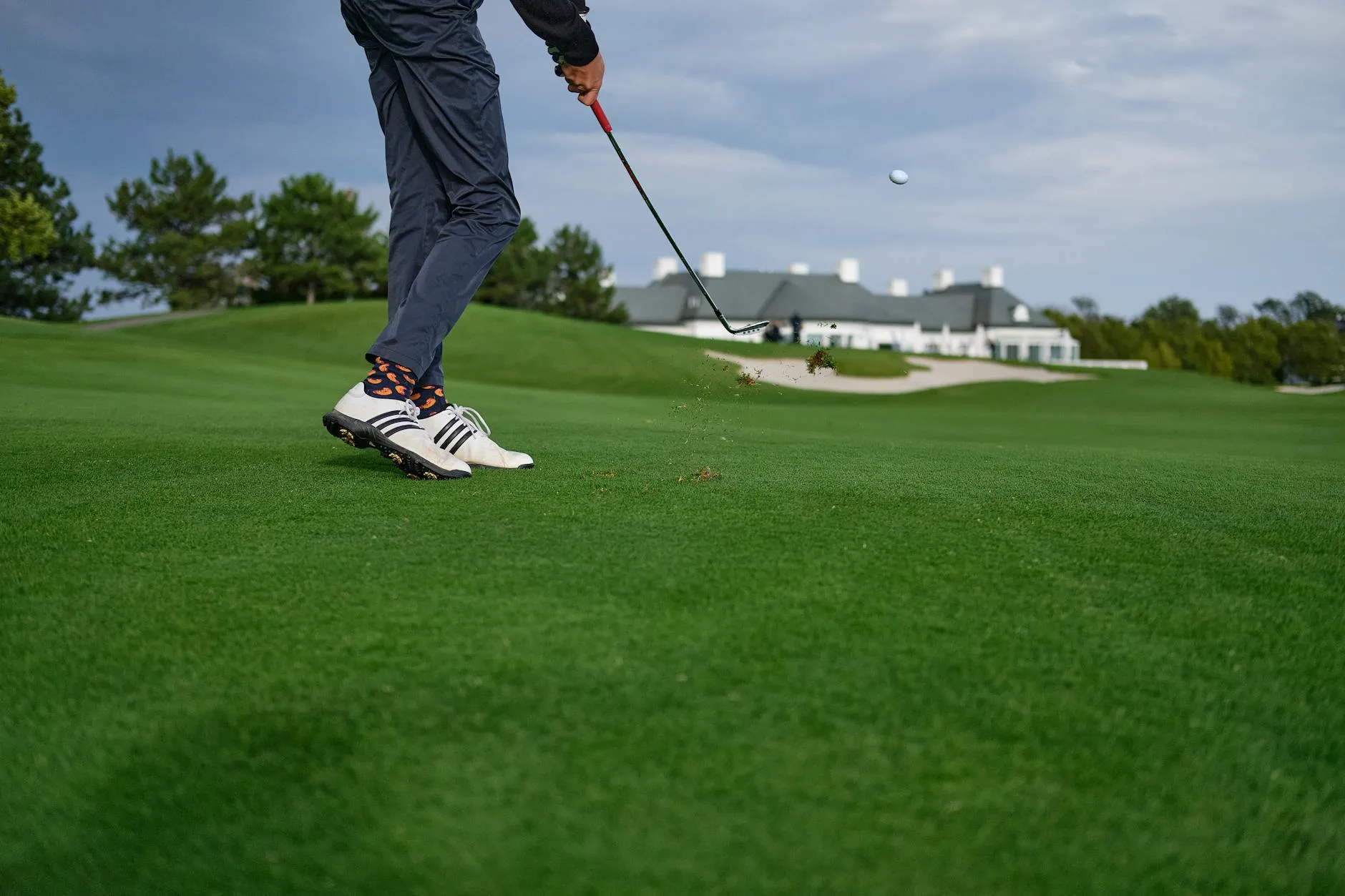
Irons account for the most shots in any round. You’ll hit them from fairways, rough, tee boxes on par 3s, and around the green. Getting these right matters more than any other purchase.
Iron Types
- Game improvement: Larger heads, wider soles, more offset. Maximum forgiveness on mishits. Callaway Rogue ST Max, TaylorMade Stealth, Ping G430. These suit most golfers — even some single-figure players prefer the consistency
- Players’ distance: A middle ground. Slightly smaller heads with forgiveness tech. Titleist T200, Mizuno JPX 925 Forged. For the 10-18 handicap range who want some feel without sacrificing forgiveness
- Players’ irons: Compact heads, thin toplines, workability. Titleist T100, Mizuno Pro 245. For single-figure players who want to shape shots and have the consistency to get away with less forgiveness
For a detailed comparison of these categories, our iron types guide goes deeper into the trade-offs.
What to Spend on Irons
- Budget: Wilson Staff D9 (about £350-450 for a set of 5-PW) — remarkable value for game improvement
- Mid-range: Ping G430 (about £600-800 for 5-PW) — the safe choice that works for almost everyone
- Premium: Titleist T200 (about £800-1,100 for 5-PW) — stunning feel and performance
Individual vs Set
Buying a matched set is cheaper and ensures consistent gapping (the distance difference between each club). Individual clubs cost more but let you mix categories — game improvement long irons with players’ short irons, for example. Unless you’re single figures and know exactly what you want, buy the set. For a related angle, see our Best Golf Irons 2026 UK: Game Improvement & Players guide.
Wedges: The Scoring Clubs
If you want to lower your scores quickly, this is where to invest. Most amateur golfers have a pitching wedge and a sand wedge and nothing else. Adding a gap wedge and possibly a lob wedge fills the distance gaps around the green where strokes are won and lost.
Wedge Lofts
- Pitching wedge (44-48°): Usually included with your iron set
- Gap wedge (50-52°): Fills the gap between PW and SW. About 90-110 yards for most golfers
- Sand wedge (54-56°): Bunker shots and pitches. The most important specialist wedge
- Lob wedge (58-60°): High, soft shots over obstacles. Useful but harder to hit consistently — skip this until you’re comfortable with your sand wedge
Bounce Explained
Bounce is the angle between the leading edge and the lowest point of the sole. More bounce (12-14°) helps in soft ground and bunkers — the club glides rather than digs. Less bounce (6-8°) suits firm conditions and tight lies. Medium bounce (10°) is the safe choice for UK courses where conditions vary.
What to Buy
The Cleveland CBX ZipCore (about £100-120 each) is the best value in wedges for mid-to-high handicappers — forgiving sole, great spin. For better players, the Titleist Vokey SM10 (about £140-160) offers more shot-shaping control.
Putters: The Most Personal Club
Putting is about confidence and feel. The best putter is the one that looks right to your eye at address and rolls the ball where you aim it. That’s a different club for every golfer.
Blade vs Mallet
- Blade putters: Simple, traditional shape. Better feel and feedback. Suit golfers with an arc putting stroke (the putter swings slightly inside-to-square). Scotty Cameron Newport, Ping Anser
- Mallet putters: Larger heads with more weight distributed to the perimeter. Higher MOI means more stability on off-centre hits. Suit golfers with a straight-back-straight-through stroke. Odyssey 2-Ball, TaylorMade Spider
Face Insert vs Milled
- Insert face (Odyssey White Hot): Softer feel, consistent roll. Most popular choice
- Milled face (Scotty Cameron, Mizuno): Firmer click, more feedback. Preferred by better players
What to Spend
You can spend £30 or £300 on a putter and both will roll the ball into the hole if they suit your stroke. The Odyssey White Hot OG (about £120-160) is consistently the best-selling putter in the UK for good reason — excellent feel, multiple head shapes, and it’s available everywhere from American Golf to your local pro shop.
Don’t buy a putter online. Hold it. Roll some putts. Look at the alignment aids with your natural eye position. This is the one club where trying before buying is non-negotiable.
Shaft Flex and Why It Matters More Than the Clubhead
Most golfers agonise over which clubhead to buy and barely think about the shaft. That’s backwards. The shaft controls trajectory, spin, and accuracy more than the head does.
Flex Options
- Ladies (L): Slowest swing speeds, under 60mph driver speed
- Senior (A): 60-75mph. More common than people admit — if you’re over 55 and haven’t been fitted recently, you might need this
- Regular (R): 75-90mph. The majority of male club golfers fall here
- Stiff (S): 90-105mph. Stronger players and low handicappers
- Extra stiff (X): 105mph+. Tour-level swing speeds
For a full breakdown of how flex affects your ball flight, our shaft flex guide explains the physics and helps you identify which flex suits your swing.
How to Tell If You Have the Wrong Flex
- Too stiff: Ball flights low and right (for right-handers). Feels harsh on mishits. You’re fighting the club to get height
- Too soft: Ball flights high and left with a weak, floaty trajectory. The shaft feels whippy and timing-dependent
Weight Matters Too
Lighter shafts (50-60g) generate more clubhead speed but can feel less controlled. Heavier shafts (70-80g in irons, 60-70g in drivers) offer more consistency but require more effort. There’s no right answer — only what works for your tempo and strength.
Club Fitting: Is It Worth the Money?
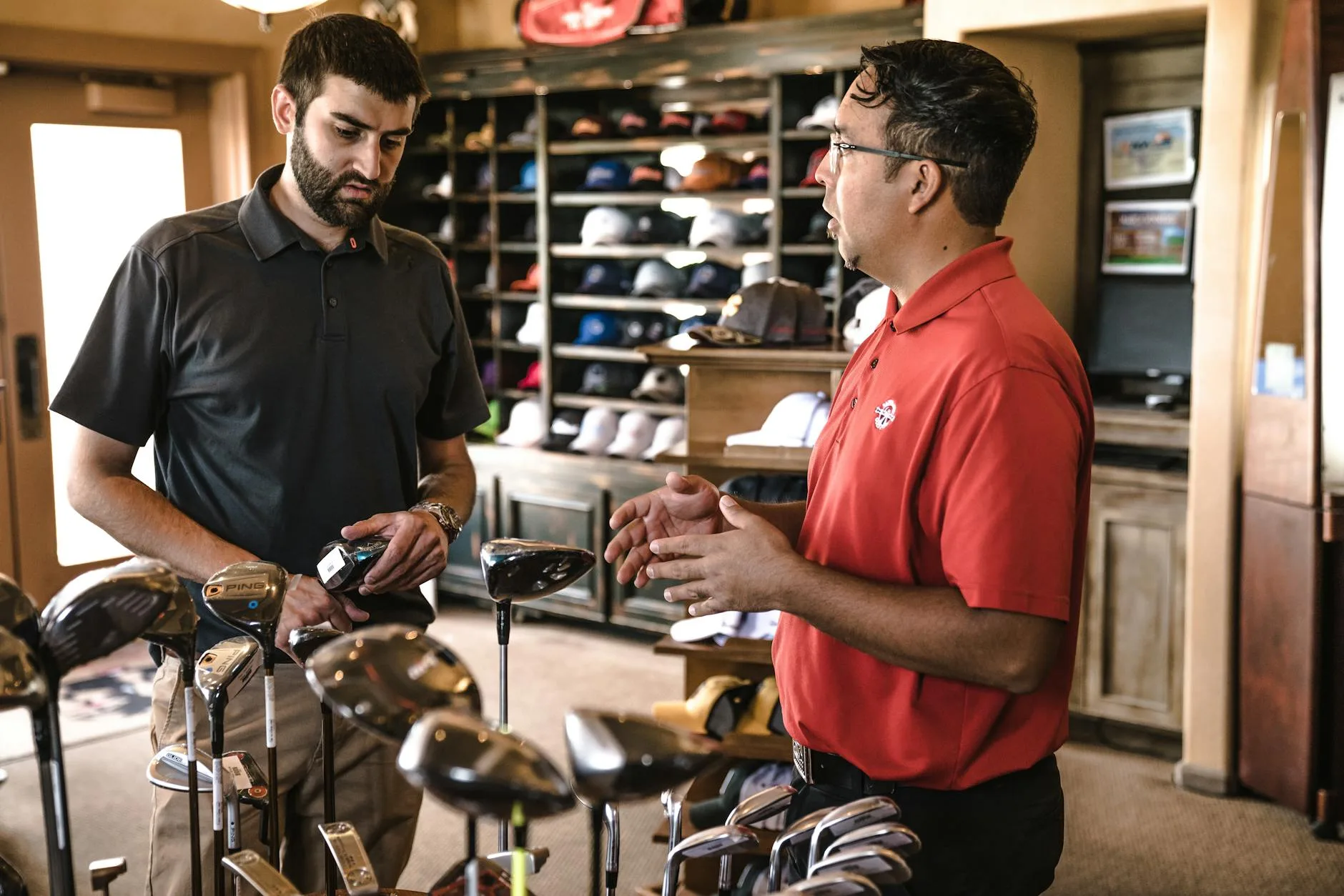
Yes. A proper fitting is the single best investment in golf equipment. I’ve seen fittings change a golfer’s iron distance by two clubs (a fitted 7-iron going the same distance as their old 5-iron) simply by getting the right shaft and lie angle.
What Happens in a Fitting
- The fitter asks about your game — handicap, typical ball flight, what you want to improve
- You hit your current clubs on a launch monitor so the fitter has baseline data
- You work through different head and shaft combinations, comparing data on launch angle, spin rate, ball speed, and carry distance
- The fitter recommends a specification based on the data and your feel preferences
- Clubs are built to spec — usually 1-2 weeks delivery
Where to Get Fitted in the UK
- Titleist Thursday/Brand fitting days: Free fitting events at courses around the country. Check the manufacturer websites for schedules
- American Golf: In-store fitting bays with Trackman. Free basic fitting, about £30-50 for a full custom fitting
- Independent club fitters: Often the best option. They’re not tied to one brand and can compare across manufacturers. Expect to pay £50-100 for a full bag fitting
- Your club pro: Many PGA professionals offer fitting services. The advantage is they already know your game
England Golf recommends getting fitted as one of the first steps for anyone taking up the sport seriously, and they’re right — even a basic fitting ensures you’re not fighting equipment that works against your natural swing.
When NOT to Get Fitted
Don’t get fitted if your swing changes wildly between rounds. Get lessons first, develop a repeatable swing, then get fitted. A fitting is only as good as the swing you bring on the day.
Buying New vs Second-Hand
The Case for New
- Warranty: Typically 2 years on shafts and heads from major manufacturers
- Current technology: Drivers especially have improved meaningfully in the last 3-4 years
- Fitting: You can be fitted into the exact spec you need
- Cosmetic condition: Some golfers care about this. No judgement
The Case for Second-Hand
- Massive savings: A set of Ping G425 irons (one generation old) in good condition costs about £350-400 used vs £700+ new
- Try before committing: Buy a used hybrid for £40 to see if you like hybrids before spending £200 on a new one
- Where to buy: Golf Bidder (UK’s largest used club retailer — excellent grading system), eBay, Facebook Marketplace, and pro shop trade-in racks
Clubs That Hold Their Value
Putters hold value best — a Scotty Cameron barely depreciates. Irons hold well if they’re from premium brands (Titleist, Mizuno, Ping). Drivers lose value fastest because new models launch annually. Buy drivers second-hand and putters new (or vice versa, depending on your priorities).
Building Your Bag on a Budget
You don’t need to spend thousands to play decent golf. Here’s how to build a complete bag for under £500:
The £500 Bag
- Driver: Used Ping G410 or Callaway Mavrik — about £100-130 from Golf Bidder
- 3-wood: Used TaylorMade SIM or Callaway Rogue — about £60-80
- 5-hybrid: Used Ping G410 or TaylorMade SIM2 — about £40-60
- Irons (6-PW): Used Ping G410 or Callaway Rogue ST — about £200-250 for the set
- Sand wedge: New Cleveland CBX Full Face — about £80-100
- Putter: New Odyssey White Hot OG #1 — about £120-140
- Total: About £600-760
That’s a bag that’ll serve you from beginner to single figures. Every club listed is forgiving, well-made, and from the last 3-4 years of technology.
Where to Save and Where to Spend
- Save on: Drivers (one generation old is fine), fairway woods, bag, gloves, balls (Srixon AD333 at £20/dozen are all most golfers need)
- Spend on: Irons (you’ll hit these more than anything), wedges (spin and feel matter around the green), putter (confidence is everything), and a fitting (even a basic one)
For beginners who want a complete ready-to-play set, our best beginner golf club sets guide covers the top box sets from Callaway, Wilson, and MacGregor.
Frequently Asked Questions
How often should you replace golf clubs? Most golfers can use the same irons for 5-8 years without losing performance. Drivers benefit more from upgrades every 3-4 years as technology improves ball speed and forgiveness. Wedges wear faster — replace the grooves every 2-3 years if you play regularly, as worn grooves lose spin control.
Are expensive golf clubs worth it? To a point. The biggest jump in quality is between budget box sets (under £200) and mid-range branded clubs (£400-600). Above that, returns diminish. A £1,000 driver might gain you 5 yards over a £400 one, but a £400 one gains you 20 yards over a £150 one. Spend where it matters most for your game.
Should beginners buy a full set or individual clubs? A complete box set (about £200-350 from brands like Wilson SGI or Callaway Strata) is the best starting point. It gives you everything you need without overthinking. Once you know your game better, upgrade individual clubs as gaps appear — usually starting with the driver and putter.
What’s the difference between men’s and women’s golf clubs? Women’s clubs are typically shorter, lighter, and have more flexible shafts to suit lower swing speeds. The lofts are often stronger to help with distance. However, the best approach is fitting based on your actual measurements and swing speed, not gender. Some women suit men’s clubs and vice versa.
Can I mix golf club brands in my bag? Yes, and most serious golfers do. Tour pros routinely carry clubs from three or four different manufacturers. Your irons should be a matched set for consistent gapping, but your driver, woods, wedges, and putter can all be different brands chosen for what works best in each category.