The best par 3 courses in the UK are not just beginner knockabouts. The good ones make you hit proper wedge and short-iron shots, punish lazy distance control, and let you play a useful round in about an hour instead of losing half a day.
In This Article
- Best Par 3 Courses in the UK: Shortlist and Picks
- What Makes a Par 3 Course Worth Travelling For?
- Best Par 3 Courses in England
- Scotland, Wales and Northern Ireland Picks
- How Much Par 3 Golf Costs in the UK
- What Clubs and Kit to Take
- Who Should Choose a Par 3 Course?
- Frequently Asked Questions
Best Par 3 Courses in the UK: Shortlist and Picks
If I were planning one short-course trip, I would start with Nailcote Hall’s Cromwell Course in Warwickshire. It has the strongest claim as a destination par 3 course because it hosts the British Par 3 Championship, has proper bunkering and water, and feels like a small golf course rather than a practice loop.
For a relaxed family or beginner round, North Foreland’s Northcliffe Course in Kent is the safer pick. It is an 18-hole par 3 beside the coast, visitor-friendly, and currently lists adult Northcliffe green fees at about £20. That is much easier to justify than driving three hours for a famous name.
For value, I like Norwood Park’s West Wood Course in Nottinghamshire and South Herefordshire’s par 3 course. Norwood lists 9 holes at £15 and 18 holes at £20, while South Herefordshire lists day green fees at £9 with club hire at £5. Those prices make them easy places to practise without feeling you have to squeeze every last shot out of the visit.
My practical shortlist:
- Best destination short course: Nailcote Hall Cromwell Course, Warwickshire.
- Best coastal par 3: North Foreland Northcliffe Course, Kent.
- Best value 18-hole short course: Norwood Park West Wood Course, Nottinghamshire.
- Best ultra-budget practice round: South Herefordshire par 3 course, Herefordshire.
- Best Bristol and South West option: Thornbury Severn View short course, Gloucestershire.
- Best Northern Ireland option: Foyle Golf Centre par 3, Derry.
That shortlist is weighted towards courses you can actually book and use. A beautiful private club with one famous par 3 hole is not the same thing as one of the best par 3 courses UK golfers can visit for a full short-course round.
What Makes a Par 3 Course Worth Travelling For?
A decent par 3 course needs more than short holes. If every tee shot is the same 80-yard pitch from a flat mat, you may as well buy a bucket of range balls and practise properly.
The courses worth seeking out usually do four things well.
It tests distance control
The sweet spot is a mix of holes from roughly 70m to 180m. That gives you half-wedges, full wedges, short irons and the odd awkward club where you have to choose between a smooth 7-iron and a punched 6-iron. That is why par 3 golf can sharpen your scoring clubs faster than another full round where you hit driver on autopilot.
It has real hazards
Water, bunkers, raised greens, run-offs and rough all matter. Nailcote Hall says its Cromwell Course has water, ditches, elevated greens and 23 bunkers across nine holes, which is exactly the kind of detail that separates a proper short course from a field with flags in it.
The greens are worth putting on
This is the bit people ignore. A par 3 course with poor greens quickly becomes a ball-striking exercise and nothing else. Good par 3 greens give you short putts under pressure, awkward two-putts, and the occasional horrible downhill tester that makes you mutter at yourself.
It fits the reason you are playing
A junior’s first round, a 45-minute lunch break and a wedge-gapping session are three different jobs. The best course for one is not always the best for another. If you are brand new to golf, read our golf for beginners guide before worrying about championship short-course design.
Best Par 3 Courses in England
England has the deepest choice, from cheap municipal-style practice loops to serious short courses attached to established clubs.
Nailcote Hall Cromwell Course, Warwickshire
Nailcote is the headline pick. The Cromwell Course is a nine-hole par 3 in Berkswell, near Coventry, and it has hosted the British Par 3 Championship. Nailcote’s own course page describes a compact test with water, ditches, elevated greens and heavy bunkering, while its championship page notes the event’s return on 11-14 August 2026.
It is the one I would choose for a golf-focused weekend because the short-game test looks intentional. You are not just knocking wedges around before lunch. You are playing a course built around the idea that a par 3 can still make good golfers think.
Expect hotel and golf-break pricing to vary. Nailcote has promoted stay-and-play breaks from about £155 per couple, while third-party listings have shown Cromwell Course packages from about £14.50 per person. Check direct before travelling because visitor rates and packages can move with events.
If your short game is the weak part of your scoring, pair it with our warm-up before a round guide and treat the round as a test rather than a casual knock.
North Foreland Northcliffe Course, Kent
North Foreland’s Northcliffe Course is an 18-hole par 3 at Broadstairs. It is relaxed, coastal, and useful for mixed-ability groups because the club says there is no dress code and clubs are available to hire.
The pricing is refreshingly clear: the Northcliffe visitor green fee is listed at £20 for adults, £15 for adult member guests and £15 for juniors under 18. That puts it in the sweet spot for a family round or a beginner’s first experience on a real course.
I like this one for parents with a junior golfer. You still get 18 holes and proper greens, but the stakes feel lower than booking a full visitor round at a traditional club. If the junior is ready to move beyond this, our best junior golf clubs guide is the more relevant kit read.
Norwood Park West Wood Course, Nottinghamshire
Norwood Park’s West Wood Course is a neat value pick. The club lists 9 holes at £15, 18 holes at £20, juniors at £8 and junior 18 holes at £12. That is exactly the kind of pricing that encourages repeat practice.
The appeal is simple: you can work through wedges, short irons and putting without the cost or time pressure of a full 18-hole round. For a mid-handicap golfer who loses shots from 120m and in, that is money better spent than another range session where every lie is perfect.
It also suits newer players who are not ready for a long course. You still learn order of play, green etiquette, tee shots, bunkers and putting, but the ball is in front of you more often. Less searching. More golf.
Thornbury Severn View Course, Gloucestershire
Thornbury’s Severn View short course is an 18-hole par 3 near Bristol, with the club listing the course at 2,195 yards. That length matters because it suggests more variety than a tiny pitch-and-putt.
Third-party golf-break listings have shown green fees from about £17, and Thornbury’s own site points visitors towards short-course tee booking. I would treat it as a South West practice-and-fun option rather than a once-in-a-lifetime trip.
The best use case is a quick round before a lesson, a confidence-builder for a newer golfer, or a short-game day if your full swing has gone missing. If that sounds painfully familiar, our how to break 100 guide is worth reading alongside it.
South Herefordshire Par 3 Course, Herefordshire
South Herefordshire is the budget pick that makes a lot of sense. The club lists its par 3 course at £9 per player for adults and juniors for the day, with club hire at £5 per set. That is cheaper than many driving-range sessions once you include balls.
This is not the glamorous choice. It is the one you use for a child trying golf, a mate who does not own clubs, or a quiet practice round where you do not care about prestige. There is a place for that. In fact, there should be more of it.
The course scorecard shows nine par 3 holes ranging from 74 to 165 yards, which is enough variation to make club choice matter without overwhelming beginners.
Scotland, Wales and Northern Ireland Picks
The UK par 3 scene is uneven once you move away from England, but there are still strong options if you look for short courses rather than famous full courses with a single great par 3 hole.
Foyle Golf Centre, Derry
Foyle Golf Centre is the clearest Northern Ireland pick because its par 3 pricing is simple and current. The club lists 2026 green fees at £10 for adults and £8 for juniors under 18.
That makes it one of the better-value family golf options on this list. It is a nine-hole course rather than a grand destination, but that is the point. A par 3 round should be easy to say yes to.
Anstruther Golf Club, Fife
Anstruther is not a pure par 3 course, but it earns a mention because of “The Rockies”, its famous short hole. The club says the hole was voted the toughest par 3 in the UK by Today’s Golfer in 2007. If you are already in the East Neuk, it is a more interesting stop than hunting for a generic short course.
Use this as a golf-day flavour pick, not as the answer if you specifically want nine or 18 par 3 holes. If the goal is short-game repetition, choose a dedicated par 3 course. If the goal is a memorable hole and a proper seaside round, Anstruther has more appeal.
Wales: choose local access over reputation
Wales has plenty of accessible golf, but fewer obvious standalone par 3 destinations that publish clean visitor information. For most Welsh trips, I would choose based on location, tee access and junior friendliness rather than chasing a national “best” label.
Look for:
- Clear visitor pricing before you travel.
- Club hire if you are taking beginners or children.
- At least nine proper holes rather than a tiny putting-style loop.
- Recent reviews mentioning green condition, because short courses live or die by their greens.
If you are already planning a bigger trip, compare the short-course stop with our best golf holidays from the UK guide. Sometimes the right answer is a full course with a practice area, not a dedicated par 3.
How Much Par 3 Golf Costs in the UK
Most UK par 3 golf sits between £8 and £25 for a round, with destination or resort settings costing more. The big saving is not only the green fee. It is time, balls, travel and pressure.
Here is the realistic range:
- Budget 9-hole par 3: about £8-£12, often juniors at £5-£10.
- Better 9-hole or basic 18-hole par 3: about £15-£20.
- Coastal or resort short course: about £20-£35.
- Golf break or package short-course round: from about £50 per person, or more when hotel stays are included.
- Club hire: often £5-£15 where available.
For comparison, a basket of range balls can easily cost £6-£10, and a full visitor round at a decent UK course might be £35-£90. That makes par 3 golf a good middle ground. You get real targets, real lies, and a scorecard, but you are not paying full-course money.
The main mistake is assuming cheap means easy. A 135-yard hole over water with a bunker long is still a proper golf shot. It just takes one swing instead of a drive, a lay-up and a wedge.
If you want official participation routes, the England Golf Play Golf page is useful for finding places to play, coaching and beginner-friendly routes. For equipment rules and how clubs are treated in the game, the R&A equipment rules are the authority source rather than forum guesses.
What Clubs and Kit to Take
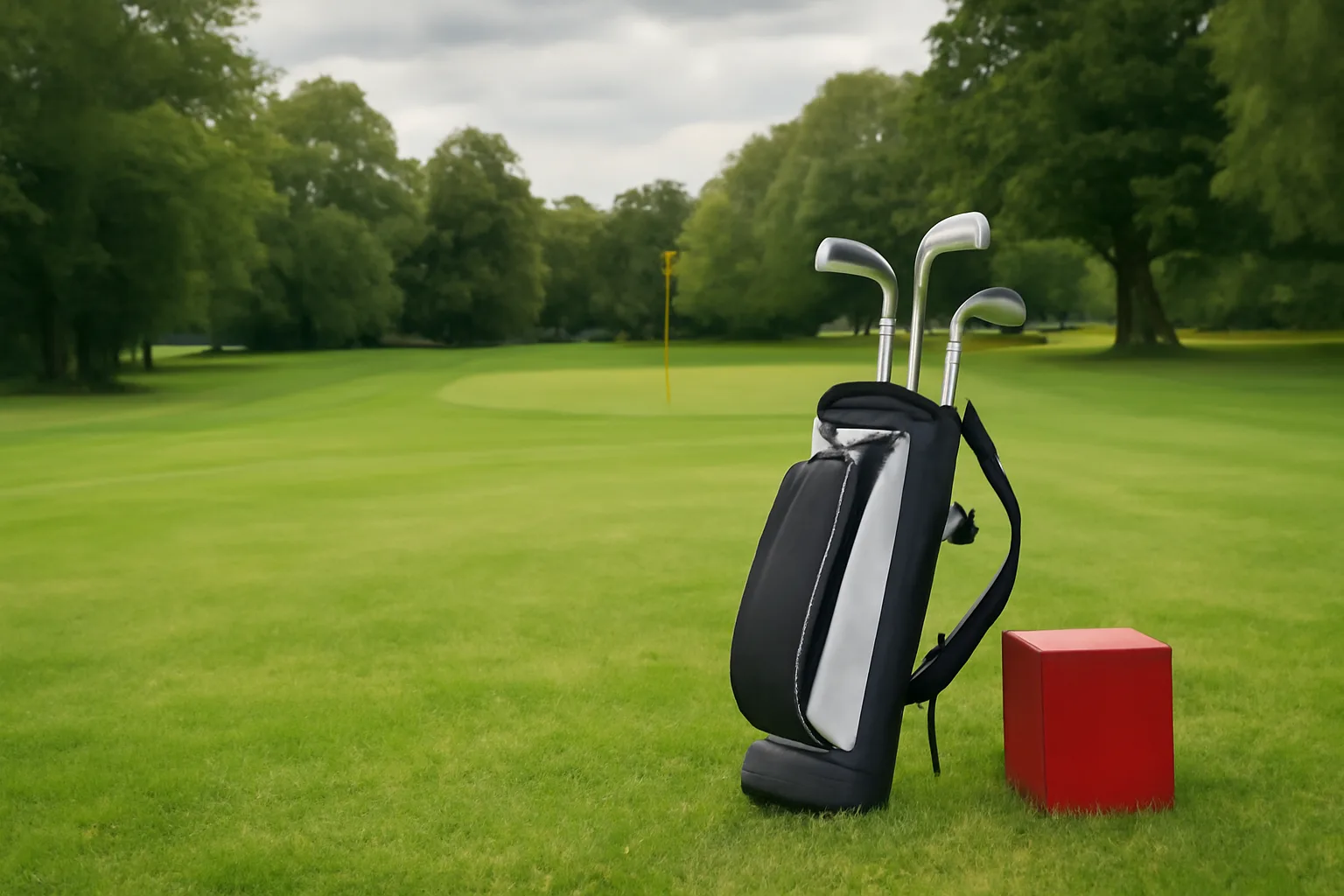
You do not need a full cart bag for a par 3 course. In fact, carrying too much kit defeats half the appeal. A pencil bag with five or six clubs is usually enough.
My standard par 3 setup would be:
- Putter: non-negotiable unless you enjoy three-putting with a wedge, which is a cry for help.
- Sand wedge: useful from bunkers and short-sided lies; a basic Wilson or Fazer wedge is often £35-£60 from American Golf or Sports Direct.
- Pitching wedge or gap wedge: the club you will hit most often on 80-110m holes.
- 9-iron and 8-iron: enough for longer par 3s without carrying half the set.
- 7-iron or hybrid: only if the course has holes above about 150m.
- Six balls and a handful of tees: no need for a tour-level inventory.
If you are buying specifically for this kind of golf, spend money on wedges and a comfortable carry bag before gadgets. A cheap pencil bag is about £30-£60 from Decathlon, American Golf or Amazon UK. A better Sunday bag from brands like Titleist, Callaway or TaylorMade can be £80-£140.
For balls, do not overthink it. A dozen Srixon AD333 balls is often around £20-£25, and lake-ball bundles can be £10-£18 if you are taking juniors or nervous beginners. Save premium balls for when you are not donating them to the first pond.
If you are using par 3 golf to sharpen scoring, our golf ball compression guide and putting guide are more useful than buying another long club.
Who Should Choose a Par 3 Course?
Par 3 courses are good for more golfers than people admit. They are not only for children, beginners and people killing time at a resort.
Beginners
A par 3 course removes the most intimidating parts of early golf: long carries, groups waiting behind you on 400-yard holes, and the shame spiral of topping three fairway woods in a row. You still learn tee shots, putting, bunkers and basic etiquette, but the holes are short enough to recover.
Juniors and families
Short courses are ideal for juniors because the round length matches their attention span. A £15 junior round with club hire is a much easier sell than a full-course booking where everyone is tired by the 11th.
Better players with weak scoring clubs
If your handicap is held back by poor wedge distance control, a par 3 course is not beneath you. It is targeted practice. Track your tee shot distance, miss pattern and first-putt length. After three rounds, you will know which yardages make you uncomfortable.
Time-poor golfers
An 18-hole par 3 round can often be played in 90 minutes to two hours. Nine holes can be quicker than a range session once you include warm-up, ball buying and faffing with the machine. That makes it one of the easiest ways to keep golf in the week.
Golfers coming back from injury
Short courses reduce walking distance and swing violence, though you still need to be sensible. If you are returning after injury, start with half-swings and check medical advice before treating any golf article as rehab guidance.
My final take: choose Nailcote if you want a proper destination par 3, North Foreland if you want a friendly coastal 18, Norwood Park if you want value practice, and South Herefordshire or Foyle if price and access matter most. The best par 3 courses UK golfers should prioritise are the ones that make you want to come back next month, not just the ones with the grandest name.
Frequently Asked Questions
What is the best par 3 course in the UK? Nailcote Hall’s Cromwell Course has the strongest destination claim because it hosts the British Par 3 Championship and has proper short-course hazards, but North Foreland, Norwood Park and Foyle may suit you better by location and price.
Are par 3 courses only for beginners? No. Beginners benefit from the shorter holes, but better players can use par 3 courses for wedge control, bunker play, putting pressure and quick scoring practice.
How much does a par 3 round cost in the UK? Most visitor rounds cost about £8-£25. South Herefordshire lists £9 day green fees, Foyle lists 2026 adult fees at £10, and North Foreland lists the Northcliffe Course at £20 for adults.
How many clubs should I take to a par 3 course? Five or six clubs is usually enough: putter, sand wedge, pitching or gap wedge, 9-iron, 8-iron and possibly a 7-iron or hybrid for longer holes.
Can children play par 3 courses? Yes, and they are often the best first step into golf. Look for junior pricing, club hire, relaxed dress rules and holes short enough that children can reach the green in a few shots.
Is pitch-and-putt the same as a par 3 course? Not quite. Pitch-and-putt is usually shorter and more casual, while a stronger par 3 course may have longer holes, bunkers, water, proper greens and a more golf-club feel.