The best golf shoes for most UK club golfers in 2026 are waterproof spikeless shoes with proper lateral support, not trainer-style shoes with a few rubber nubs on the sole. If you play through spring mud, winter mats and damp morning rough, traction still matters, but removable spikes are no longer the automatic answer.
In This Article
- Best Overall and Quick Picks
- Spiked vs Spikeless: Which Should You Buy?
- Best Golf Shoes 2026: Spiked and Spikeless
- How to Choose Golf Shoes for UK Courses
- Waterproofing and UK Course Conditions
- Fit, Sizing and Comfort Over 18 Holes
- Common Golf Shoe Buying Mistakes
- Frequently Asked Questions
Best Overall and Quick Picks
The best overall pick is the FootJoy Pro/SL, usually around £160 from FootJoy UK, American Golf and Clubhouse Golf. It is not cheap, but it gets the balance right: stable through the swing, waterproof enough for normal UK conditions, comfortable enough to walk 18 holes, and smart enough for clubs that still prefer proper golf footwear.
If I were buying one pair for year-round golf and did not want to think about it again, that is the pair I would buy. The cheaper shoes below can make more sense for occasional players, and a dedicated spiked shoe still wins on soft winter ground, but the Pro/SL is the safest single-pair answer.
Quick picks:
- Best overall: FootJoy Pro/SL, about £160. Best for regular UK golfers who want one reliable waterproof spikeless shoe.
- Best value: Decathlon Inesis MW500 waterproof golf shoes, about £50-£60. Best for newer golfers or occasional rounds.
- Best athletic spikeless option: adidas S2G 26 Leather Spikeless, about £90. Best if you like trainer-style comfort but still need golf grip.
- Best spiked option: FootJoy Traditions Spiked, about £115-£180 depending on model and retailer. Best for soft, hilly and wet courses.
- Best premium comfort: Ecco Biom C4 or LT1, roughly £150-£190. Best if comfort matters more than price.
That spread covers most UK golfers. You do not need a £200 pair to play well, but very cheap golf shoes often feel fine in the shop and then reveal the problem on the 12th tee, when your heel is slipping and the upper has started creasing into your toes.
If you are building out the rest of your kit, pair shoe choice with the basics in our golf accessories checklist. Shoes are not glamorous, but they affect every shot because they are the only bit of kit touching the ground.
Spiked vs Spikeless: Which Should You Buy?
Spikeless golf shoes are now the better default for most players. They are lighter, easier to wear from car park to clubhouse, and good modern soles have far more grip than the early spikeless designs that felt like normal trainers. On parkland courses from April to October, a decent waterproof spikeless shoe is usually enough.
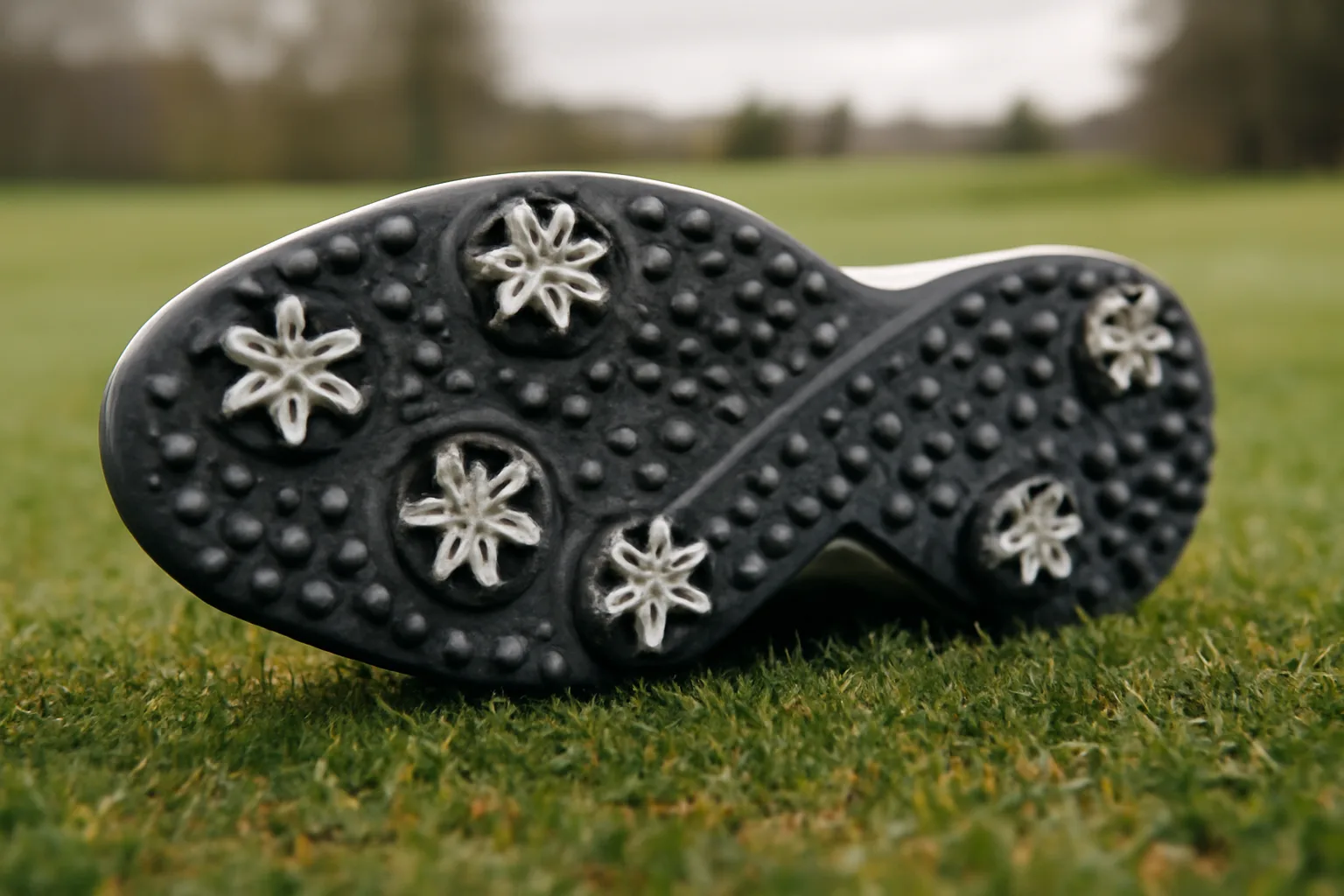
Spiked golf shoes still have a place. If your course is exposed, hilly, clay-heavy or soft underfoot, replaceable cleats give more bite. You notice it most on uneven lies, wet tee boxes and full driver swings where your back foot wants to slip. The trade-off is that spiked shoes feel firmer underfoot, need cleat maintenance, and can be less pleasant for long walks on hard paths.
The sensible split:
- Choose spikeless if you play mainly in dry to mixed conditions, want one pair for most of the year, and value walking comfort.
- Choose spiked if you play wet winter golf, have a hilly course, or already know your trail foot slips during the swing.
- Own both if you play weekly all year. Spikeless for normal rounds, spiked for soft winter days and competitions in bad weather.
The biggest mistake is buying spikeless shoes because they look better, then expecting them to behave like cleats on saturated fairways. Spikeless traction can be excellent, but it is still a broad rubber outsole. It does not dig into mud the same way.
For rules context, the R&A local rules guidance includes wording clubs can use to restrict traditional or metal spikes. Normal soft-spiked and spikeless golf shoes are fine; the practical question is course etiquette and whether your club bans anything unusual.
Best Golf Shoes 2026: Spiked and Spikeless
FootJoy Pro/SL
The FootJoy Pro/SL is the safe best overall choice because it feels like a proper golf shoe rather than a lifestyle trainer pretending to be one. The sole is firm enough to keep you planted, the upper is structured without feeling stiff, and the waterproofing is good enough for dewy morning starts and ordinary rain.
Expect to pay about £160 direct from FootJoy UK or from golf retailers such as American Golf and Clubhouse Golf. That puts it in the upper-middle bracket, but it is not silly money compared with premium Ecco, G/FORE or BOA-laced models.
Why it works:
- Grip: excellent for a spikeless shoe on normal UK fairways.
- Stability: strong through the midfoot, especially if you move hard through the ball.
- Waterproofing: dependable for wet grass, though not a substitute for winter boots in standing water.
- Looks: tidy enough for traditional clubs without looking old-fashioned.
The downside is price. If you play six rounds a year, you probably do not need them. If you play most weekends, the comfort and stability justify the spend.
Decathlon Inesis MW500 Waterproof Golf Shoes
The Inesis MW500 is the value pick at about £50-£60 from Decathlon. It is the pair I would point a beginner towards before they spend £150 on shoes and then discover they prefer tennis on Saturdays.
The grip is not as refined as FootJoy or Ecco, and the upper feels more basic, but the MW500 gets the important entry-level jobs right. It is waterproof, golf-specific, and stable enough for learning without slipping around in running shoes.
Best for:
- New golfers buying their first proper pair.
- Casual players who want dry feet without premium pricing.
- Winter backup use if you do not want to ruin your better pair in mud.
The fit can feel a touch practical rather than plush. Try them with the socks you actually wear for golf, not thin shop socks, because small pressure points become tedious over four hours.
adidas S2G 26 Leather Spikeless
The adidas S2G 26 Leather Spikeless is the best mid-price athletic option, usually around £90 from adidas UK. It suits golfers who want a softer, trainer-like feel but still need a sole designed for rotation and side-load, not just walking.
The S2G line is especially good if you dislike stiff traditional shoes. It feels easy from the first round, has enough grip for normal parkland golf, and works well as a summer-to-autumn pair. I would not choose it as my only winter shoe on a soggy course, but for most club rounds it is a clean middle ground.
The weakness is lateral firmness. If you have a fast swing or tend to roll your foot on the downswing, the Pro/SL feels more locked in. If comfort is the priority, the adidas is more forgiving.
FootJoy Traditions Spiked
FootJoy Traditions Spiked shoes are the pick for golfers who still want classic cleated grip. Prices vary by version and retailer, but expect roughly £115-£180. They are a good choice for winter leagues, hilly courses, links courses in bad weather, or anyone who has lost trust in spikeless soles.
The advantage is simple: grip you can feel. Replaceable cleats bite into soft turf better than shallow rubber lugs, and you can refresh them when they wear down. That makes the shoe last longer if the upper holds up.
The compromise is comfort on hard surfaces. Spiked shoes can feel more planted during the swing but less relaxed on paths, ranges and dry summer ground. If you walk a lot on hard buggy tracks, keep that in mind.
Ecco Biom C4 or Ecco LT1
Ecco is the premium comfort option. The Biom C4 and LT1 models often sit around £150-£190 from Ecco, GolfOnline, Clubhouse Golf and specialist golf retailers. They are expensive, but the comfort is the reason people keep buying them.
The appeal is the shape. Ecco shoes often suit golfers who find narrow golf shoes irritating, and the cushioning feels good late in the round. They are not the cheapest route to traction, but for foot comfort they are hard to ignore.
I would choose Ecco if I walked 18 holes twice a week and had already ruled out FootJoy on fit. I would not buy them blind unless returns are easy, because the shape is distinctive and not everyone loves it.
Skechers GO GOLF
Skechers GO GOLF models usually sit around £90-£130, depending on the version and retailer. They are worth considering if you prioritise cushioning, slip-in convenience or a wider-feeling fit.
They are not my first pick for maximum swing stability, but they are kind to feet. For older golfers, casual players, or anyone who finds stiff leather shoes punishing, Skechers can be a better practical purchase than a more technical shoe that sits unused in the cupboard.
That matters. The best golf shoes are the ones you actually want to wear for four hours.
How to Choose Golf Shoes for UK Courses
Start with where you play, not what looks best online. A flat inland course that drains well does not demand the same shoe as a wet, sloping course with clay soil and raised tee boxes.
Use this order:
- Course conditions: wet, hilly and soft courses push you towards spiked or aggressive spikeless soles.
- Playing frequency: weekly golfers should spend more on waterproofing and support; occasional players can stay around £50-£90.
- Walking comfort: if you carry a bag, comfort matters more than it does for buggy golf.
- Foot shape: wide feet, high arches and heel slip all matter more than brand loyalty.
- Maintenance: spiked shoes need cleat checks; spikeless shoes need outsole cleaning so the lugs keep working.
There is also a kit-balance point. If you are still using a battered half set, read our guide to choosing the right golf clubs before sinking all your budget into shoes. Shoes help, but they will not rescue the wrong clubs.
For most golfers, the sensible budget is £80-£160. Under £60 is fine for beginners. Over £180 needs a reason: difficult feet, heavy use, premium materials, BOA closure, or a shoe you know fits perfectly.
Waterproofing and UK Course Conditions
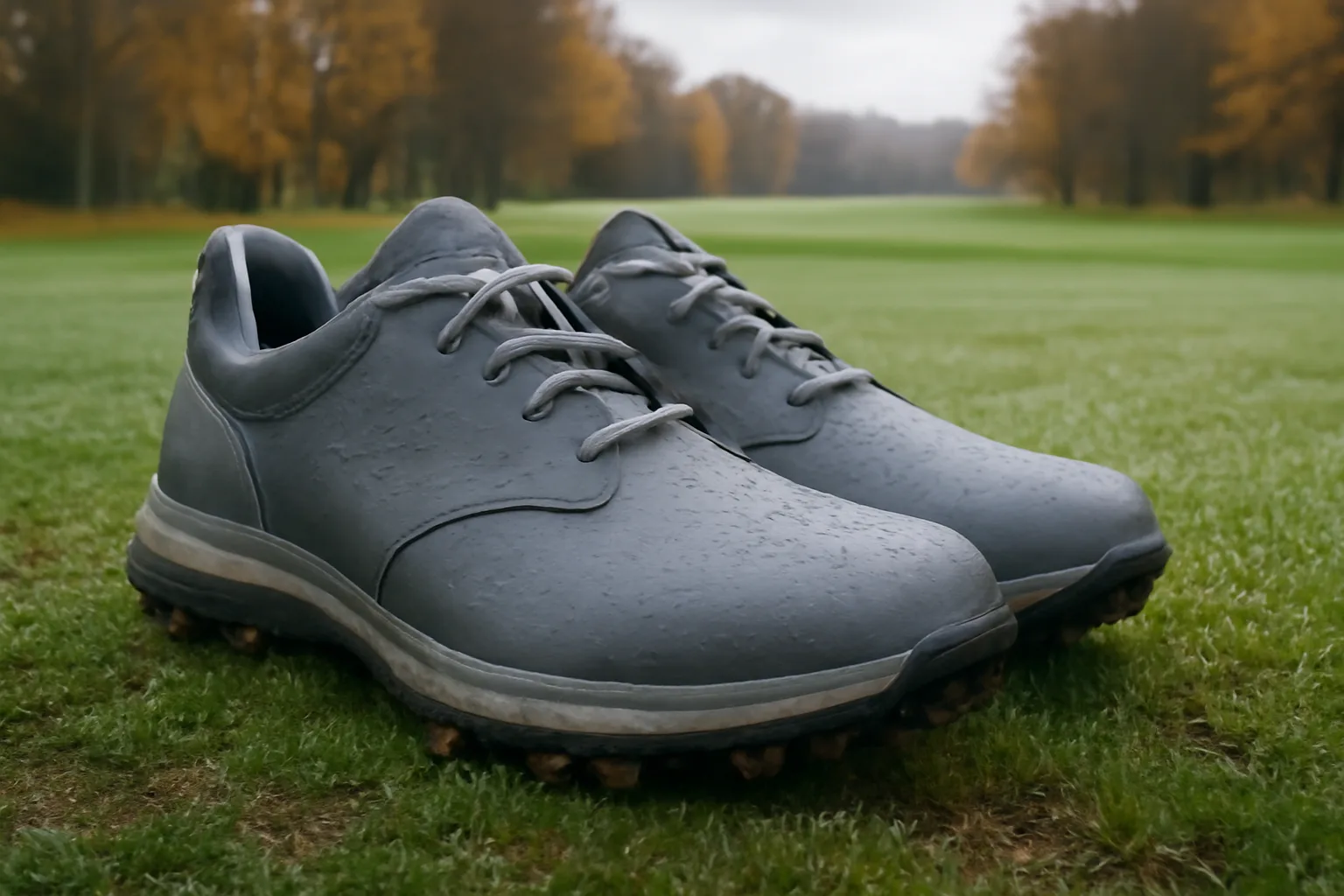
In the UK, waterproofing is not optional unless you only play dry summer golf. Morning dew alone can soak non-waterproof uppers by the third hole. Add rough, wet leaves and winter mats, and cheap trainer-style shoes quickly become miserable.
Look for:
- Waterproof warranty: one or two years is common on better golf shoes.
- Sealed upper: leather and synthetic waterproof uppers resist wet grass better than mesh.
- Raised sole edge: useful when walking through dew or shallow mud.
- Easy cleaning: pale knit uppers look good once; mud has other ideas.
The trade-off is breathability. Fully waterproof shoes can feel warmer in July. If you play a lot in summer, it can make sense to own a breathable spikeless pair and a more waterproof pair for the rest of the year.
This is the same logic as choosing golf waterproofs. One jacket does not cover every condition perfectly, and one pair of shoes has limits too.
Spikeless shoes with shallow lugs can clog in mud. Spiked shoes can clog as well, but the cleats still give defined contact points. If you play through winter, wash soles after every wet round. Leaving mud to dry around the lugs ruins grip and makes even good shoes feel average.
Fit, Sizing and Comfort Over 18 Holes
Golf shoe fit is different from normal trainer fit. You need walking comfort, but you also need your foot to stay controlled when you rotate. A shoe that feels soft in the shop can be too loose during the swing.
Try shoes late in the day if you can, because feet swell. Wear golf socks. Lace both shoes properly. Then check three things:
- Heel hold: your heel should not lift when you walk or make a slow practice swing.
- Toe room: toes need space downhill, but not so much that your foot slides forward.
- Side support: the upper should resist your foot rolling over the edge during rotation.
Wide sizes are worth seeking out. FootJoy, Skechers and some Ecco models are often better bets for wider feet than narrow athletic designs. If a shoe pinches in the shop, it will not magically become lovely after nine holes. It might soften a little, but pressure points are pressure points.
BOA closures can help if you like even tension and quick adjustment. They usually add £20-£40 versus lace versions. I like BOA for winter shoes because cold fingers and wet laces are a grim little combination, but laces are cheaper and easier to replace.
If you carry a stand bag, shoe comfort matters more. Our golf bag guide covers the same walking-comfort issue from the other side: a heavy bag and poor shoes make the back nine feel longer than it needs to.
Common Golf Shoe Buying Mistakes
The first mistake is buying by looks. White spikeless shoes look sharp on a website, then meet a November fairway and become a cleaning hobby. If you play in mixed weather, darker soles and wipe-clean uppers are your friend.
The second mistake is ignoring traction because your swing is not fast. You do not need tour-level speed to slip. A cautious golfer can still lose footing on a wet slope, especially with a driver or fairway wood.
The third mistake is wearing running shoes. Running shoes are built for straight-line movement. Golf needs rotation and side-load. A soft running sole can feel comfortable but unstable, especially when the grass is wet.
The fourth mistake is assuming premium means better fit. A £190 shoe that rubs is a bad shoe for you. A £60 pair that fits cleanly and keeps water out is better than a premium brand you dread wearing.
The fifth mistake is never replacing cleats. If you buy spiked shoes, budget about £12-£20 for replacement cleats and a few minutes of maintenance. Worn cleats defeat the point of owning spiked shoes.
If you are improving your scoring kit as well, see our guides to golf rangefinders and golf GPS watches. Shoes help you stay stable; distance tools help you stop guessing.
Final Recommendation
Buy the FootJoy Pro/SL if you want one pair of best golf shoes for most UK conditions. It is stable, waterproof, comfortable and versatile enough for the majority of club golfers.
Buy Decathlon Inesis MW500 if you are new to golf or want a low-cost waterproof pair. Buy adidas S2G 26 Leather Spikeless if comfort and trainer-like feel matter most. Buy FootJoy Traditions Spiked if your course is wet, hilly or soft for much of the year.
The simple rule: spikeless is the better default, spiked is the better bad-weather tool. If you play all year, owning both is not indulgent. It is practical.
Frequently Asked Questions
Are spikeless golf shoes good enough for UK courses? Yes, good spikeless golf shoes are good enough for most UK courses in spring, summer and autumn. For wet winter fairways, steep slopes or soft tee boxes, spiked shoes still give better bite.
How much should I spend on golf shoes? Most golfers should spend about £80-£160. Beginners can start around £50-£60 with Decathlon or sale models, while frequent players get better waterproofing, support and durability from mid-range shoes.
Do I need waterproof golf shoes? In the UK, yes for most players. Dew, rough and light rain can soak non-waterproof shoes quickly. Breathable summer shoes are useful, but they should not be your only pair if you play year-round.
Are spiked golf shoes allowed at golf clubs? Soft spikes are widely accepted. Traditional metal spikes are often restricted or banned by clubs because they can damage greens and clubhouse flooring, so check your club rules before buying anything unusual.
Should golf shoes fit tight or loose? They should feel secure, not tight. Your heel should stay down, your toes need a little room, and your foot should not slide sideways during a practice swing.
How long do golf shoes last? A weekly golfer might get one to two seasons from a main pair, depending on conditions and care. Occasional players can get several years. Spiked shoes may need replacement cleats before the upper wears out.